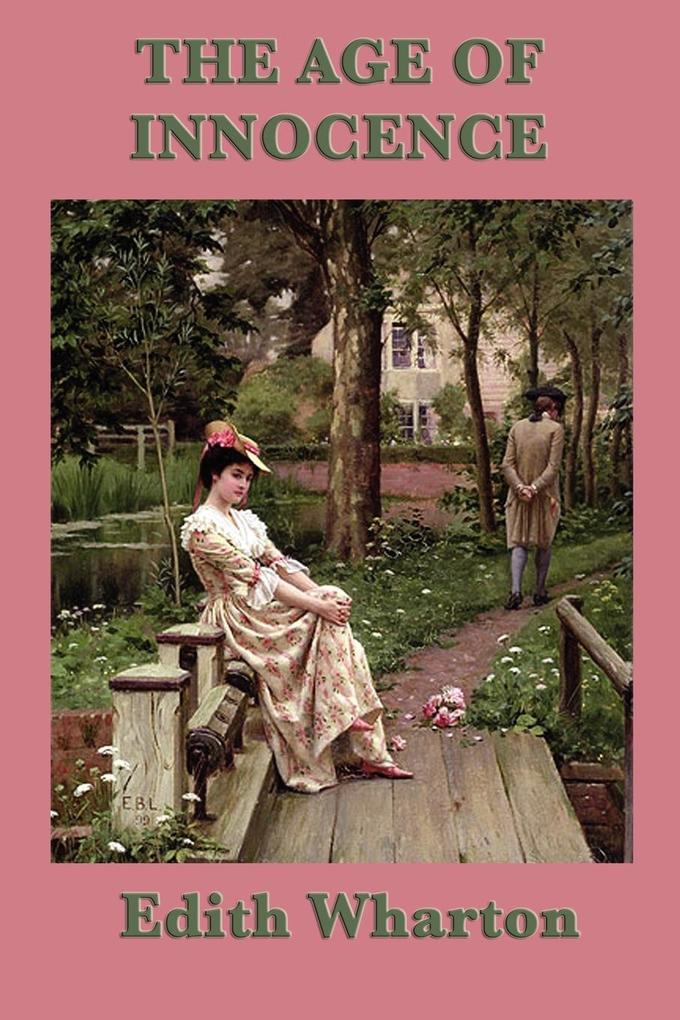
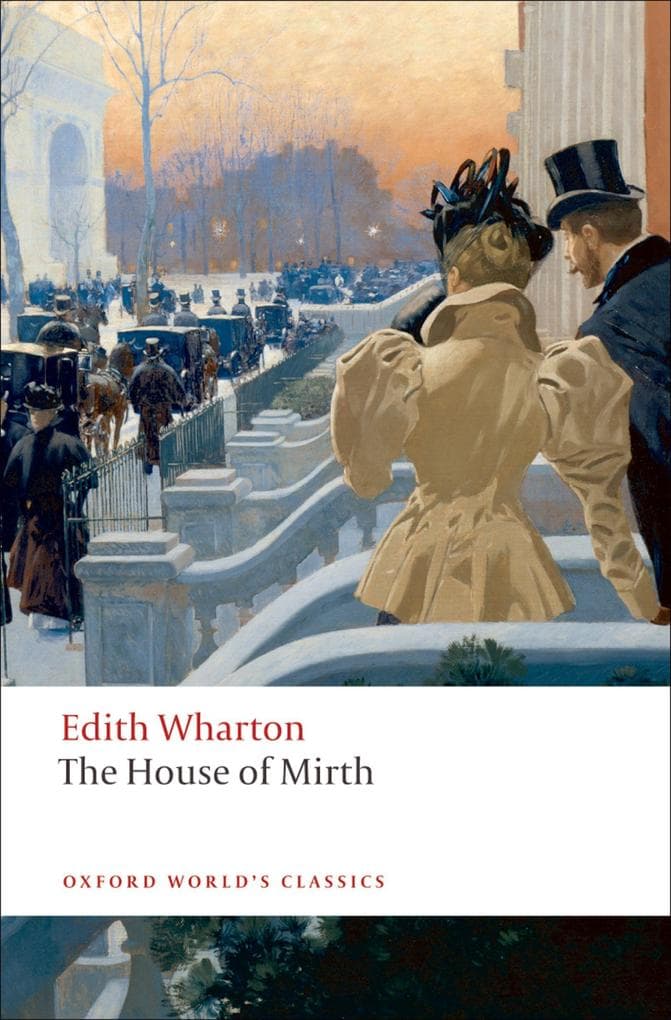
A precise and enduring portrait of social convention, desire, and moral constraint in late nineteenth-century New York. In The Age of Innocence, Edith Wharton examines the rigid structures of upper-class society through the experience of Newland Archer, a man whose carefully ordered life is unsettled by the arrival of the unconventional Countess Ellen Olenska.
Set within the tightly controlled world of Old New York, the novel traces the tension between personal longing and social obligation, revealing the unspoken rules that govern reputation, marriage, and belonging. Wharton's prose is measured and exact, exposing the subtle pressures that shape individual choices and the quiet consequences of conformity.
First published in 1920 and awarded the Pulitzer Prize, the novel stands as one of the defining works of American literary realism. Its exploration of restraint, identity, and the cost of social harmony continues to resonate, offering a clear-eyed account of a society both distant and familiar.