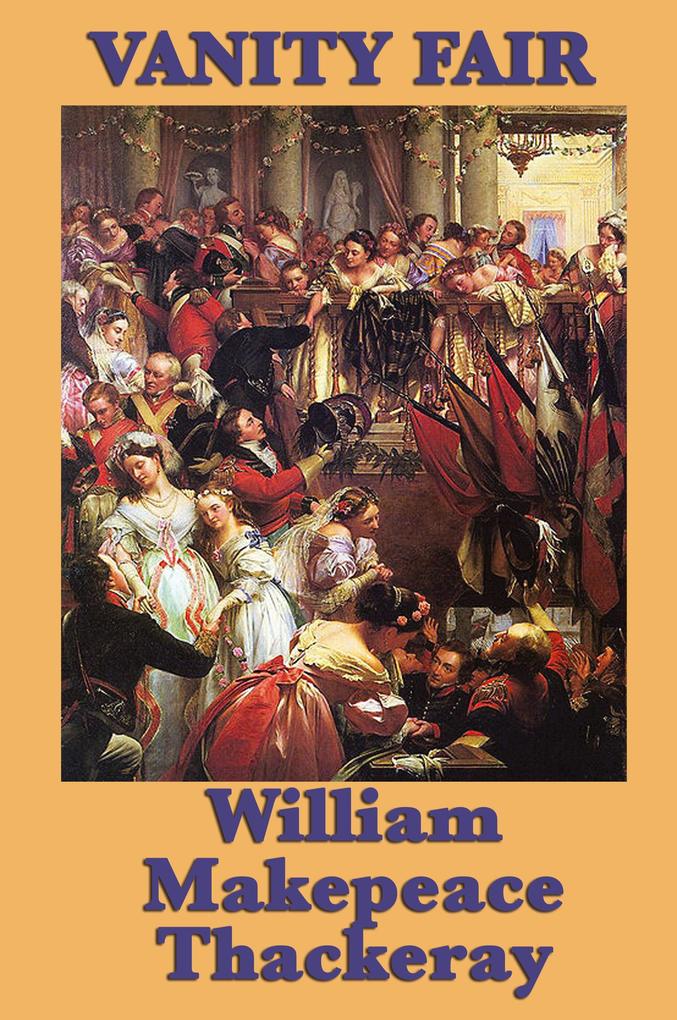
First published in serial form between 1847 and 1848, Vanity Fair is William Makepeace Thackeray's panoramic novel of English society in the age of the Napoleonic Wars, famously subtitled "A Novel without a Hero." Through the intertwined lives of the calculating Becky Sharp and the dutiful Amelia Sedley, Thackeray examines ambition, vanity, social climbing, and moral compromise across drawing rooms, battlefields, and provincial homes. Becky's brilliance, adaptability, and lack of scruple contrast sharply with Amelia's sincerity and passivity, allowing Thackeray to expose the hypocrisies and illusions that govern class, marriage, and reputation. The novel's narrator, wry and intrusive, reinforces its satirical edge while refusing easy moral judgment.
This SMK edition presents Vanity Fair as a central work of nineteenth-century English fiction, valued for its structural complexity, psychological insight, and sustained critique of social pretension. Thackeray's novel endures as a clear-eyed portrait of a society driven by status and self-interest, rendered with irony, sympathy, and uncommon narrative control.