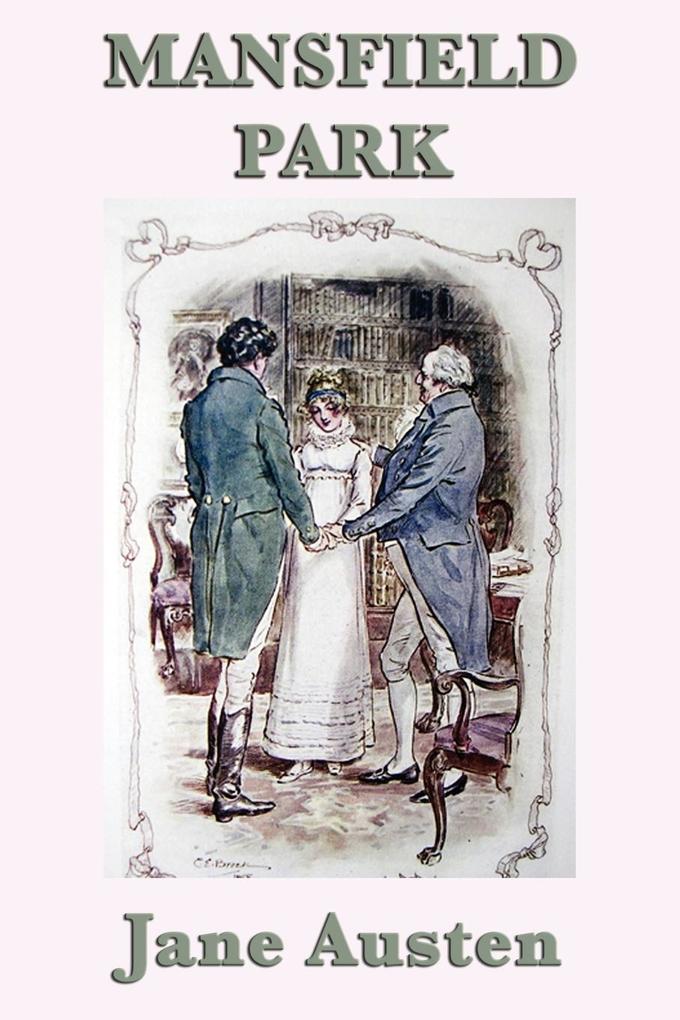
A quietly powerful novel of moral perception, social order, and inner resilience, Mansfield Park follows the life of Fanny Price as she navigates the rigid hierarchies and subtle tensions of an English country estate. Removed from her impoverished family and raised among wealthier relations, Fanny occupies an ambiguous position-both insider and outsider-allowing Austen to examine the values and contradictions of polite society with unusual precision.
At the centre of the novel is a contrast between outward charm and inward principle. As new influences disrupt the equilibrium of Mansfield Park, questions of duty, integrity, and emotional authenticity come to the fore. Fanny's steadfastness, often underestimated by those around her, becomes the moral axis of the narrative, set against characters whose wit or charisma masks deeper instability or self-interest.
Austen's treatment here is more measured and searching than in her earlier works, with a sustained focus on ethical judgement rather than romantic resolution alone. The novel engages with themes of education, responsibility, and the formation of character, offering a subtle but exacting portrait of social life and its underlying moral structures. Mansfield Park remains one of Austen's most complex and debated works, valued for its depth, restraint, and psychological insight.