Growing for 100 - the complete year-round guide for the small-scale market grower.
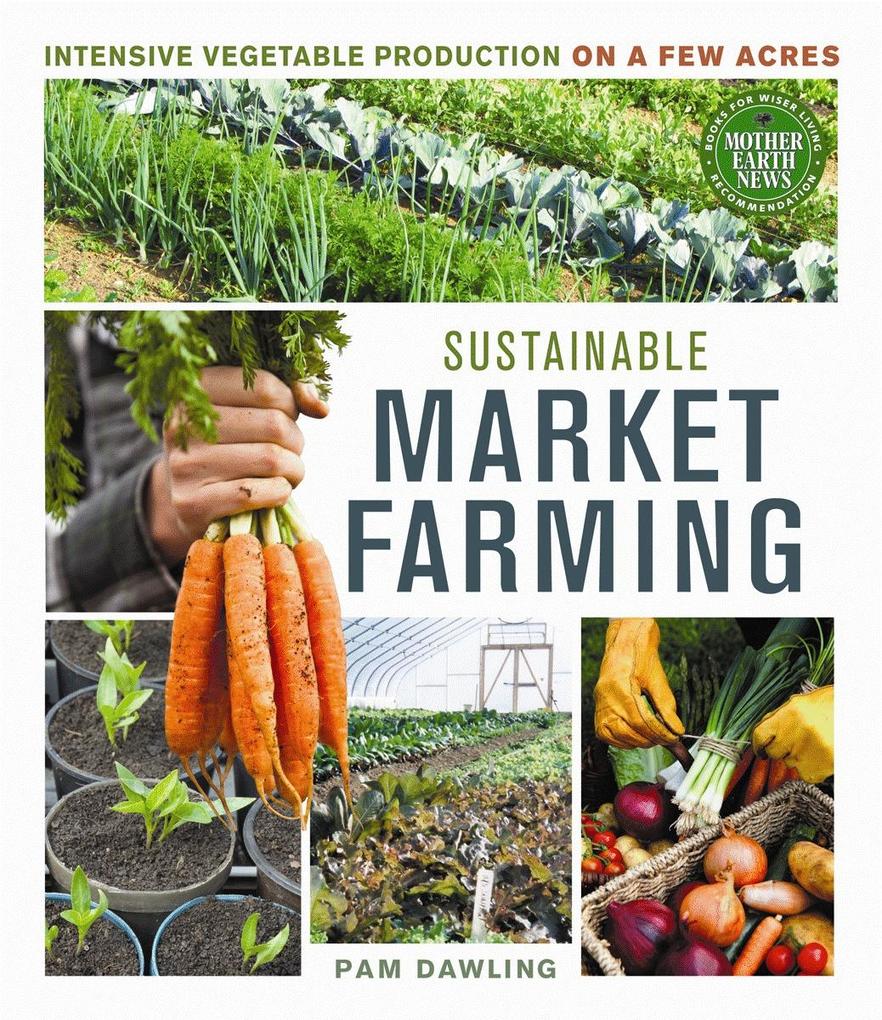
Across North America, an agricultural renaissance is unfolding. A growing number of market gardeners are emerging to feed our appetite for organic, regional produce. But most of the available resources on food production are aimed at the backyard or hobby gardener who wants to supplement their family's diet with a few homegrown fruits and vegetables. Targeted at serious growers in every climate zone, Sustainable Market Farming is a comprehensive manual for small-scale farmers raising organic crops sustainably on a few acres.
Informed by the author's extensive experience growing a wide variety of fresh, organic vegetables and fruit to feed the approximately one hundred members of Twin Oaks Community in central Virginia, this practical guide provides:
- Detailed profiles of a full range of crops, addressing sowing, cultivation, rotation, succession, common pests and diseases, and harvest and storage
- Information about new, efficient techniques, season extension, and disease resistant varieties
- Farm-specific business skills to help ensure a successful, profitable enterprise
Whether you are a beginning market grower or an established enterprise seeking to improve your skills, Sustainable Market Farming is an invaluable resource and a timely book for the maturing local agriculture movement.
Pam Dawling is a contributing editor with Growing for Market magazine. An avid vegetable grower, she has been farming as a member of Twin Oaks Community in central Virginia for over twenty years, where she helps grow food for around one hundred people on three and a half acres, and provides training in sustainable vegetable production.
Inhaltsverzeichnis
Foreword by Lynn Byczynski
Introduction: Sustaining Community and Agriculture
PART 1: TECHNIQUES
Planning
- Year-Round Production
- Create Your Own Field Manual
- Crop Review
- Crop Rotations for Vegetables and Cover Crops
- Seed Storage, Inventory and Orders
- Scheduling Transplants
- How Much to Grow
Planting
Crop Spacing Transplanting Tips Direct Sowing Summer Germination of Seeds Succession Planting for Continuous Harvesting Sustainable Crop Protection
Season Extension Cold-Hardy Winter Vegetables The Hoophouse in Winter and Spring The Hoophouse in Summer Soil and Crop Quality
Maintaining Soil Fertility Cover Crops Cover Crops Chart Sustainable Disease Management Sustainable Weed Management Sustainable Pest Management Harvest and Beyond
Manual Harvesting Techniques Winter Vegetable Storage (Without Refrigeration) Root Cellars PART 2: CROPS
Legumes
Green Beans Southern Peas, Asparagus Beans and Limas Fava Beans Edamame Snap Peas and Snow Peas Peanuts Brassicas
Broccoli, Cabbage, Kale and Collards in Spring Broccoli, Cabbage, Kale and Collards in Fall Asian Greens Other Greens
Spinach Chard and Other Summer Cooking Greens Lettuce All Year Round Roots
Carrots, Beets and Parsnips Celery and Celeriac Turnips and Rutabagas Cucurbits
Summer Squash and Zucchini Winter Squash and Pumpkins Cucumbers and Muskmelons Watermelon Alliums
Garlic Bulb Onions Potato Onions Leeks Nightshades
Tomatoes Peppers Eggplant Potatoes The Others
Okra Sweet Corn Sweet Potatoes Seed Crop Production
Seed Growing The Business of Seed Crops by Ira Wallace Resources
Index
About The Author