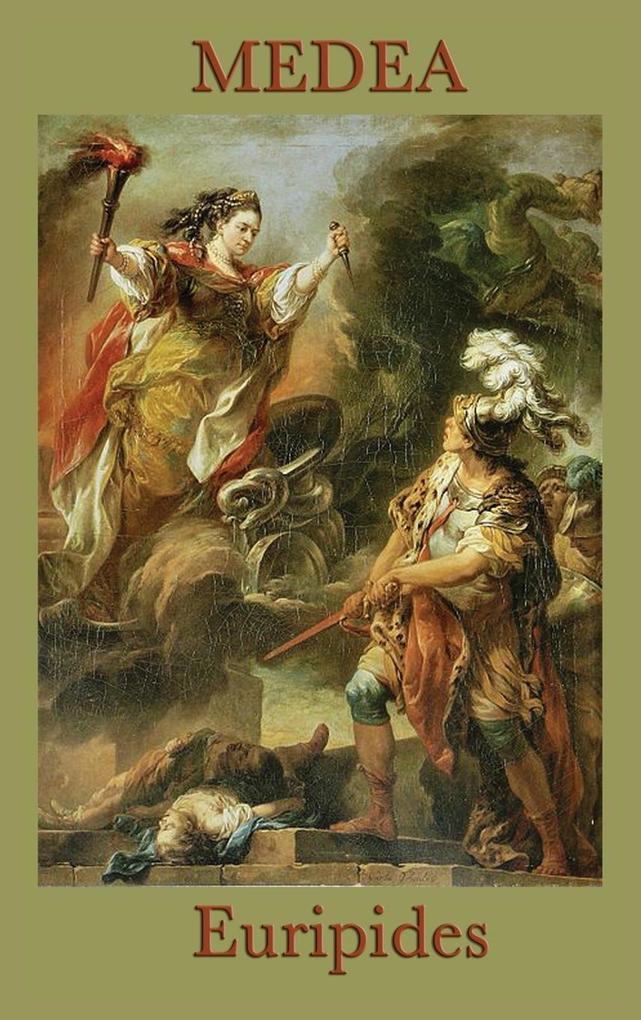
Euripides was one of the three great tragedians of classical Athens, alongside Aeschylus and Sophocles, and his surviving plays remain among the central works of ancient Greek drama. Writing in the fifth century BCE, he brought unusual psychological intensity, emotional volatility, and moral ambiguity to the tragic stage. His plays often place women, outsiders, captives, the defeated, and the socially vulnerable at the centre of the action, making his work especially important to the study of Greek tragedy, classical literature, mythology, gender, power, and the development of Western theatre.Among Euripides' best-known surviving plays are Medea, The Bacchae, Hippolytus, The Trojan Women, Electra, Heracles, and Iphigenia in Aulis. His drama is frequently marked by sharp debate, domestic catastrophe, scepticism toward heroic ideals, and a deep interest in the conflicts between passion, law, family, divine order, and human suffering. His influence extends through Roman drama, Renaissance tragedy, modern theatre, opera, film, and contemporary reinterpretations of classical myth.