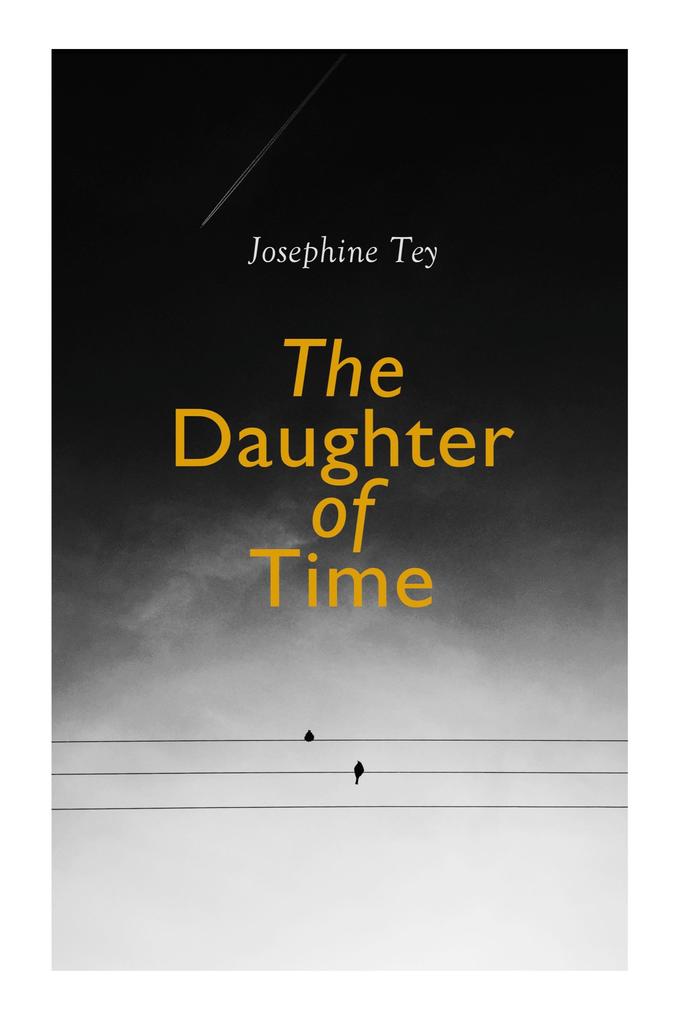
Josephine Tey's The Daughter of Time is a singular detective novel in which Inspector Alan Grant, immobilized in hospital, investigates the historical reputation of Richard III from his sickbed. Replacing footprints and fingerprints with chronicles, portraits, and documentary evidence, Tey transforms archival inquiry into suspense. Published in 1951, the novel belongs to the Golden Age tradition yet quietly subverts it, applying the logic of detection to historiography and exposing how political narrative hardens into accepted truth. Josephine Tey was the pen name of Elizabeth MacKintosh, a Scottish writer also known as the playwright Gordon Daviot. Her theatrical discipline shows in the book's poised dialogue, economy of scene, and sharp control of revelation. Tey's interest in character, performance, and public myth likely shaped her fascination with Richard III, a monarch whose identity had long been mediated through Tudor propaganda and Shakespearean drama. This is essential reading for admirers of literary crime fiction, historical revisionism, and intellectually elegant mysteries. Readers seeking violence or conventional action may be surprised, but those drawn to wit, skepticism, and the pleasures of reasoned doubt will find it exceptionally rewarding.