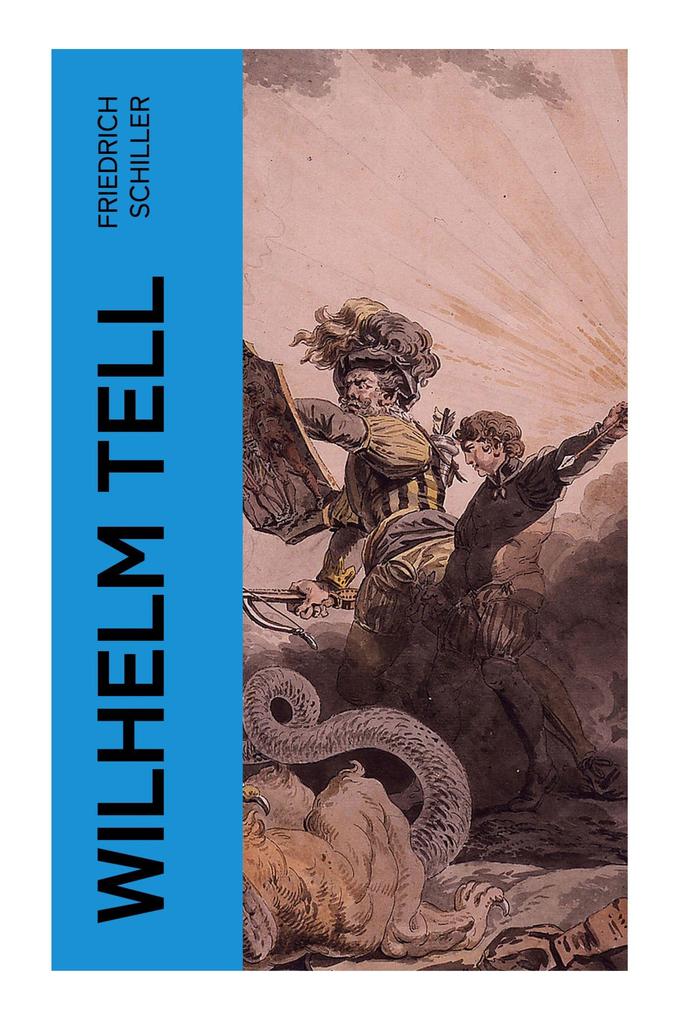
Friedrich Schiller's Wilhelm Tell is a dramatic meditation on liberty, tyranny, and civic responsibility, set amid the legendary Swiss struggle against Habsburg domination. Written in stately yet vigorous blank verse, the play combines domestic intimacy, alpine grandeur, and political urgency: Tell's private courage becomes inseparable from a community's awakening to freedom. As a late work of German Classicism, it tempers revolutionary passion with moral reflection, transforming national legend into a universal inquiry into just resistance. Schiller, poet, dramatist, historian, and philosophical thinker, had long been preoccupied with the ethical foundations of political life. His experiences under ducal authority in Württemberg, his engagement with the French Revolution, and his historical studies all shaped his suspicion of despotism and his belief in human dignity. Composed near the end of his life, Wilhelm Tell reflects both his idealism and his mature caution: freedom must be defended, but not reduced to vengeance or chaos. This play is recommended to readers interested in political drama, Romantic nationalism, and the moral imagination of European literature. It remains compelling not only as a patriotic legend, but as a profound exploration of when obedience ends and conscience must act.