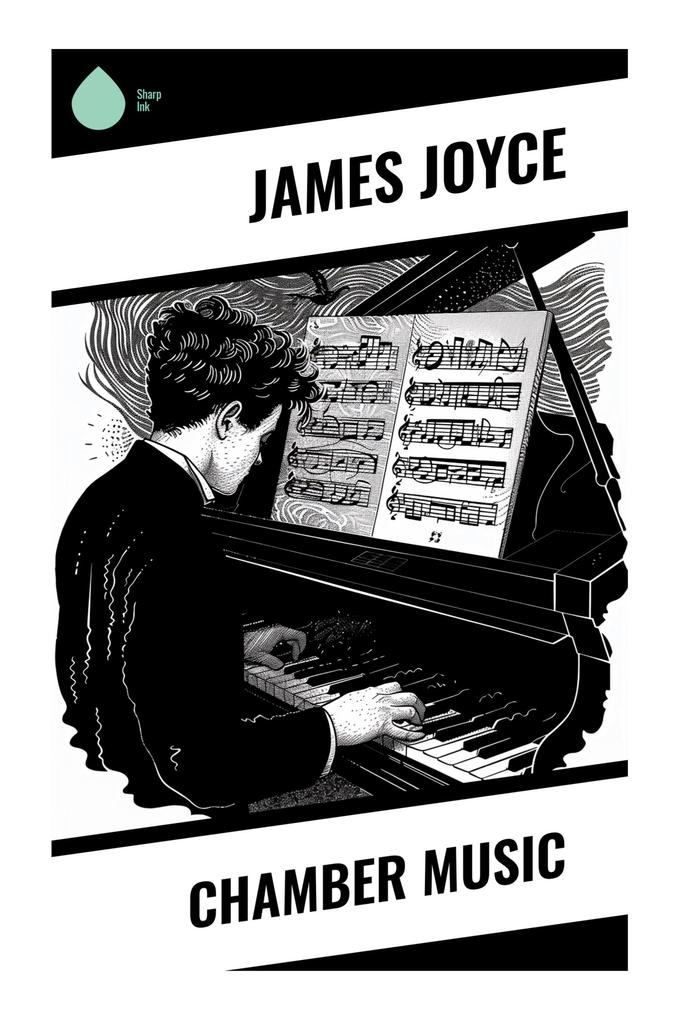
Chamber Music is James Joyce's early sequence of thirty-six lyric poems, a delicate exploration of love, longing, music, and emotional awakening. Written in a refined, songlike idiom, the poems draw on Elizabethan lyric, Symbolist suggestion, and the Irish literary revival's concern with musical cadence. Their apparent simplicity conceals a sophisticated attention to voice, repetition, and tonal modulation, anticipating Joyce's lifelong fascination with the relation between language and sound. Joyce composed many of these poems as a young man in Dublin and during his early expatriate years, before the radical experiments of Dubliners, A Portrait of the Artist as a Young Man, and Ulysses. Trained in music and deeply responsive to opera, liturgy, and popular song, he shaped the collection around the sensibility of an artist testing the expressive limits of lyric form. Its themes of desire, distance, and artistic self-fashioning reflect both his personal romantic life and his emerging modernist consciousness. Readers interested in Joyce's later innovations will find Chamber Music an illuminating point of departure. It is recommended not only for admirers of modernism, but also for lovers of finely wrought lyric poetry, where emotion is disciplined by melody and youthful intensity becomes art.