








Das eBook.de Hörbuch Abo - jederzeit, überall, für nur 7,95 € monatlich!
Jetzt entdecken
mehr erfahren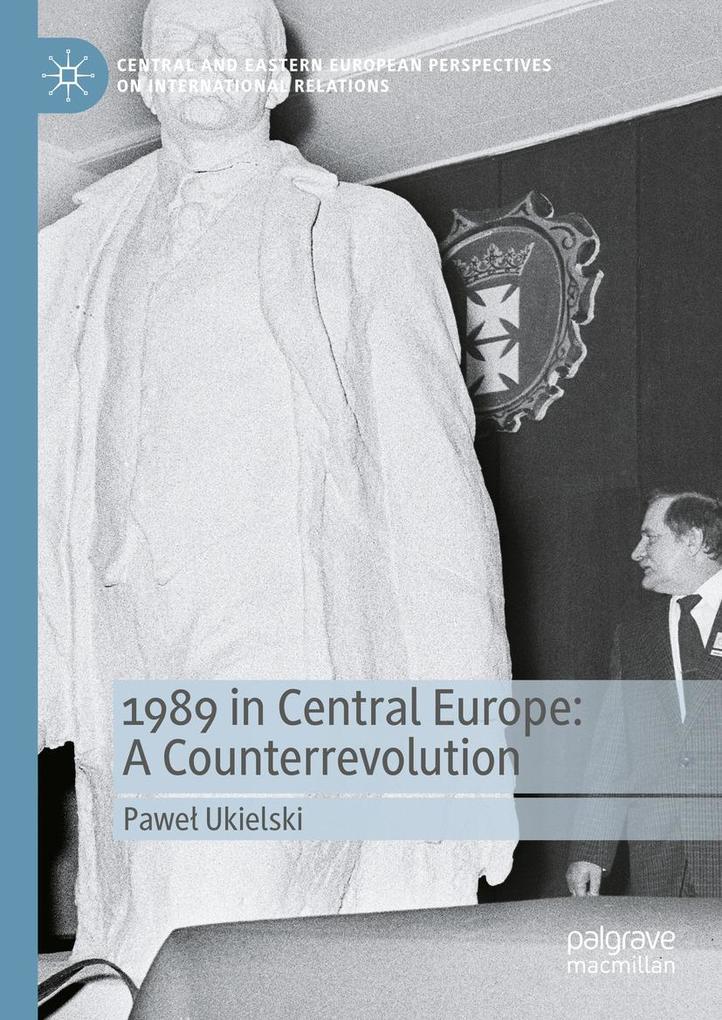
The literature on the fall of communism contains numerous interpretations of the changes that took place in Central and Eastern Europe in 1989, while debates about how best to characterize the fall of the communist regimes have raged for many years. Researchers continue to ponder and argue over how 'revolutionary', as opposed to 'evolutionary' (or 'reformatory') these changes were. In this new study, author Pawel Ukielski proposes the term 'counterrevolution' to describe the historical process that took place and uses it as an analytical construct to better understand the crisis of Soviet communism and the subsequent transitions that took place.
Inhaltsverzeichnis
INTRODUCTION . - PART ONE THEORETICAL FOUNDATIONS. - Chapter I: Revolution. Theoretical foundations. - Chapter II: Counterrevolution. Theoretical foundations. - PART TWO INTRODUCTION OF COMMUNISM. - Chapter III: Revolution in Russia and unsuccessful world revolution. - Chapter IV: Introduction of Communism in Central Europe after 1944. Export of revolution. - PART THREE THE FALL OF COMMUNISM IN CENTRAL EUROPE IN 1989. - Chapter V: Global factors. - Chapter VI: Poland. - Chapter VII: Hungary. - Chapter VIII: GDR. - Chapter IX: Czechoslovakia. - Chapter X: Bulgaria. - Chapter XI: Romania. - CONCLUSIONS. - Chapter XII: Central Europe in 1989 in search of general theory.
`1989 in Central Europe: A Counterrevolution by Pawe Ukielski offers a thoughtful, provocative and well-crafted contribution to our understanding of that eventful year in Central Europe. For historians, political scientists, and students of transition, this volume will be both timely and relevant. It provides a solid basis for further debate, invites researchers to reassess familiar narratives of 1989, and offers a framework that may be tested, critiqued, and extended. (Micha Przeperski, H-Soz-Kult, hsozkult. de, January 22, 2026)
Es wurden noch keine Bewertungen abgegeben. Schreiben Sie die erste Bewertung zu "1989 in Central Europe: A Counterrevolution" und helfen Sie damit anderen bei der Kaufentscheidung.