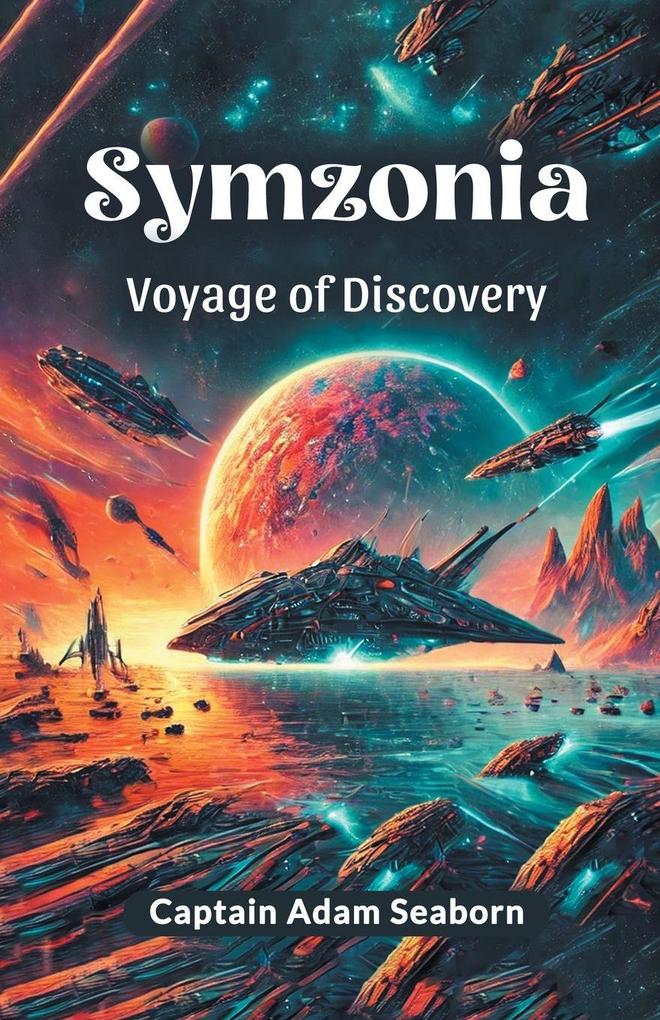
Captain Adam Seaborn, the pen name of an anonymous author, is best known for his 19th-century science fiction novel Symzonia: Voyage of Discovery. Though little is known about Seaborn's personal life, his work reflects a unique blend of imaginative storytelling and speculative science. Symzonia, published in 1820, is one of the earliest examples of the hollow Earth theory in literature, which imagines a hidden, utopian world within the Earth's crust. The novel combines elements of adventure and fantasy with a critique of contemporary society, presenting a daring exploration that questions the boundaries of known geography and social norms. Seaborn's writing showcases a pioneering spirit in science fiction, influencing later works in the genre. His use of innovative concepts and his imaginative approach to exploration and discovery highlight a deep engagement with the scientific and philosophical questions of his time. Although Seaborn's identity remains shrouded in mystery, his contribution to early science fiction and speculative literature is significant, offering a glimpse into the visionary storytelling that laid the groundwork for future explorations of imaginary worlds.