








Das eBook.de Hörbuch Abo - jederzeit, überall, für nur 7,95 € monatlich!
Jetzt entdecken
mehr erfahren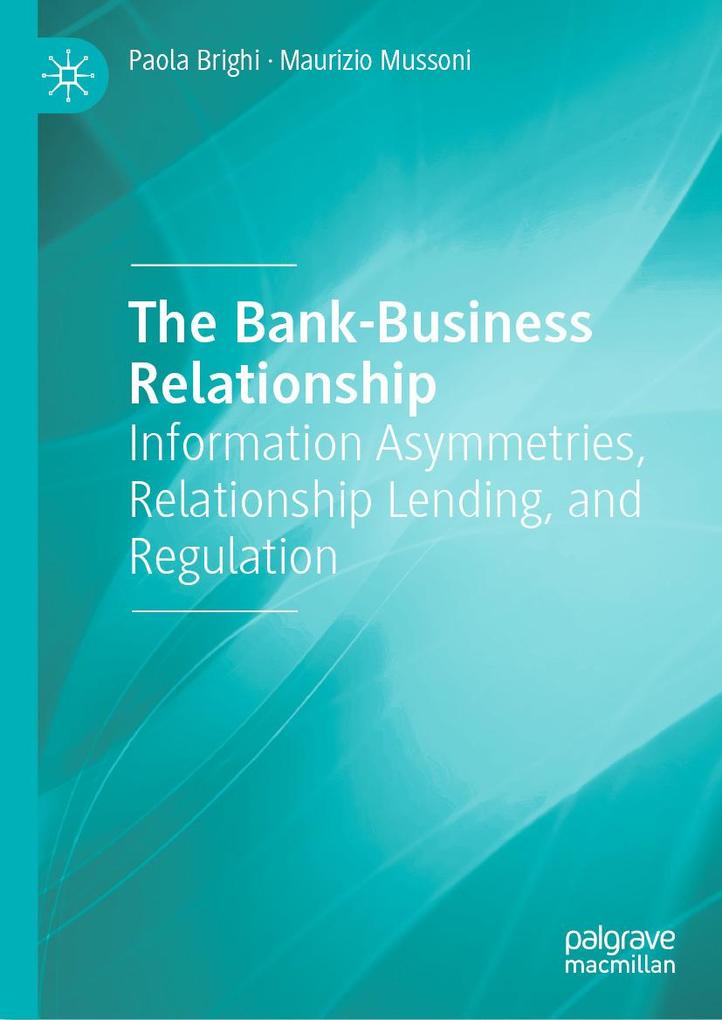
This book investigates the factors driving the transformation of banks' credit function and the evolving financial requirements of corporations, with a particular focus on the dynamics of bank-business relationships. It addresses the impact of inherent market failures in the banking sector, notably information asymmetries and credit rationing, on these relationships and their influence on corporate decisions regarding funding sources. The book also examines the competitive pressure faced by firms that adopt new entrepreneurial models, necessitating innovative strategies in financial management, and evaluates the adaptive responses banks can employ to meet emerging financial needs. Additionally, it analyzes how banking regulation influences lending decisions, especially under conditions marked by information asymmetries and financial constraints.
A distinctive feature of the book is its comprehensive analysis of the motivations underlying recent transformations within the banking sector. These transformations stem from both endogenous processes, such as the classification of financial and banking services as "credence goods" and the related regulatory implications, and exogenous factors, including regulatory reforms and the ongoing transition toward sustainability and digitalization. This book will appeal to academic scholars, practitioners, and policymakers in banking and risk management.
Inhaltsverzeichnis
1. Overview. - 2. Asymmetric Information in Banking. - 3. Credit Rationing and Financial Constraints. - 4. Relationship Lending and Banking Models2. - 5. The Evolution of Corporate Banking and Multi-Banking Lending. - 6. Financial Risks and the Role of Banking Regulation. - 7. The Twin Transition towards Sustainability and Digitalization: ESG and ICT Risks. - 8. Conclusions.
Es wurden noch keine Bewertungen abgegeben. Schreiben Sie die erste Bewertung zu "The Bank-Business Relationship" und helfen Sie damit anderen bei der Kaufentscheidung.