







Das eBook.de Hörbuch Abo - jederzeit, überall, für nur 7,95 € monatlich!
Jetzt entdecken
mehr erfahren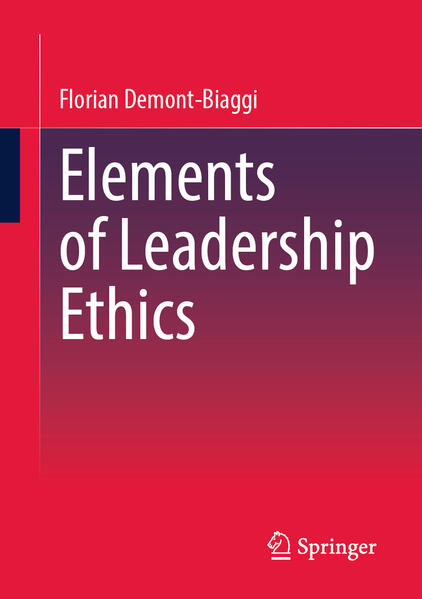
Why do leaders abuse their power, and how can a robust ethics of leadership be constructed to address this fundamental problem? This book provides a systematic answer by undertaking a rigorous, interdisciplinary investigation into the foundations of leadership ethics.
Moving beyond conventional approaches, the author's comprehensive framework begins with a clear-eyed analysis of power and its relationship to leadership. The inquiry then progresses through a critical examination of social psychology and explores the often-overlooked psychodynamic factors that influence leaders and groups. Established theories, such as authentic leadership, are critically re-evaluated, and the challenges posed by digitalization are integrated as a core element of modern leadership.
This structured journey culminates in a carefully articulated philosophical ethics for leadership in which autonomy emerges as the central principle. Through its genuinely interdisciplinary approach, the book demonstrates that leadership ethics is a distinct and demanding field of inquiry. Elements of Leadership Ethics offers an essential framework for scholars, students, and reflective practitioners seeking a deeper, more nuanced understanding of the ethical challenges of leadership today.
Inhaltsverzeichnis
Foreword. - 1. Introduction. - 2. Power and Influence. - 3. Moral Disengagement. - 4. Psychodynamic Factors. - 5. Authenticity and Moral Conscience. - 6. Leadership Ethics in the Information Age. - 7. Contemporary Leadership Ethics. - 8. Bibliography.
Es wurden noch keine Bewertungen abgegeben. Schreiben Sie die erste Bewertung zu "Elements of Leadership Ethics" und helfen Sie damit anderen bei der Kaufentscheidung.