








Das eBook.de Hörbuch Abo - jederzeit, überall, für nur 7,95 € monatlich!
Jetzt entdecken
mehr erfahren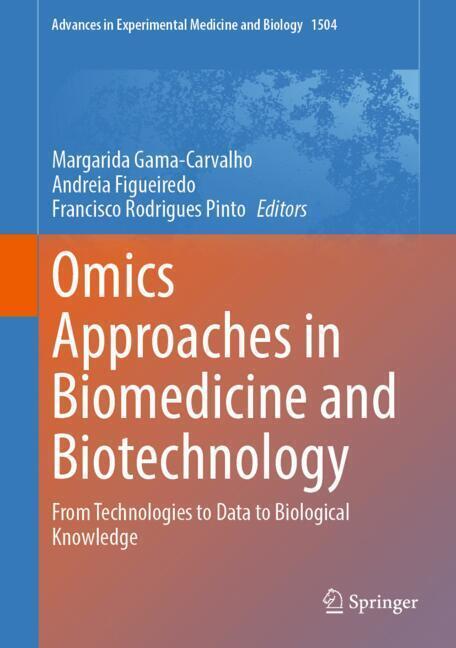
This book explores current omics technologies and provides researchers with a comprehensive understanding of them.
In recent years, technological advances have transformed the life sciences, ushering in the era of "omics" approaches. These methods, which emerged in the wake of the Human Genome Project, are driven by the need to systematically understand genomic diversity and gene expression. They have ushered in the age of big data in the life sciences, revolutionising the way biological questions are asked and experimental results are handled.
Omics approaches cover a wide range of applications, from mapping environmental biodiversity to characterising molecular interactions and small molecules. Despite the current accessibility of these technologies, most researchers and students in the life sciences have had limited exposure to the field, preventing them from fully grasping the power and limitations of the technology, or the critical importance of tailored experimental design and data analysis.
The challenges that are posed by omics technologies are addressed in this book. It provides a comprehensive overview and shows how omics approaches can be effectively used to gain innovative insights into specific biological problems.
The book is divided into three main parts:·
The book is a valuable resource for both seasoned researchers and those entering the field, facilitating a deeper understanding of omics approaches and their transformative impact on the life sciences.
With illustrations by Filipa Santos.
Inhaltsverzeichnis
PART I. Capturing the Molecular Universe. - Chapter 1. Microarrays and the Dawn of Omics Data Analysis. - Chapter 2. Advances in Massive Parallel Sequencing: From Genomics to Spatial Transcriptomics. - Chapter 3. Latest Developments in Mass Spectrometry-based Techniques for Metabolomics Analysis. - Chapter 4. Separative Techniques Coupled to Mass Spectrometry for metabolomic analysis. - Chapter 5. Metabolomics: Fundamentals, Methods, Analysis, Limits and Recommendations. - Chapter 6. Interactomics Dissecting Protein Networks in Living Systems. - Chapter 7. Functional Genomics Principles and Methods. - PART II. From Large Scale Data to Biological Insights. - Chapter 8. FAIR Omics Data Management: Overview, Challenges and Best Practices. - Chapter 9. Challenges and Opportunities for Statistics in Omics Data Analysis. - Chapter 10. Key Concepts in Transcriptomics Data Analysis in the Era of Next Gen Sequencing. - Chapter 11. Data Analysis in Extreme Resolution Mass Spectrometry Untargeted Metabolomics. - Chapter 12. - A Primer On Modelling Approaches For Omics Data. - Chapter 13. Functional interpretation of omics data: from pathways to networks. - Chapter 14. Multi-omics data integration. - PART III. Applications of Omics approaches. - Chapter 15. Genomics in Health and Biomedicine. - Chapter 16. Genome Sequencing In Infectious Disease Outbreaks. - Chapter 17. A Journey Into Plant-Microbe Interactions: From Lab To Field For A Sustainable Agriculture. - Chapter 18. Decoding Plant Immunity: Proteomics as a Biotechnological tool for crop improvement. - Chapter 19. Clinical Proteomics Applied to Food Allergy. - Chapter 20. Applications of Metabolomics in the Development of Biomedicine and Biotechnology.
Es wurden noch keine Bewertungen abgegeben. Schreiben Sie die erste Bewertung zu "Omics Approaches in Biomedicine and Biotechnology" und helfen Sie damit anderen bei der Kaufentscheidung.