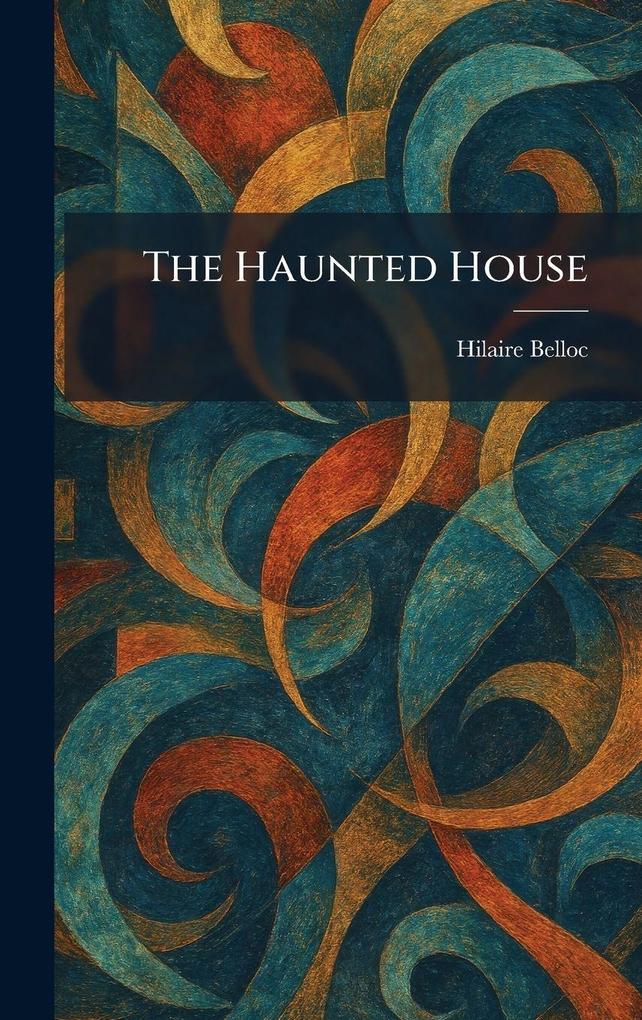
"The Haunted House" is a witty and satirical novel by the prolific writer Hilaire Belloc. Set within the atmospheric confines of an ancestral English estate, the story revolves around the peculiar occurrences at Rackham Catchbull, a house rumored to be plagued by supernatural visitations. However, rather than a traditional Gothic horror, Belloc delivers a sharp social comedy that lampoons the conventions of the ghost story and the eccentricities of the landed gentry.
The narrative follows the schemes of characters who utilize the "haunting" for their own gain, blending elements of mystery with Belloc's trademark irony and keen observation of human folly. As the plot unfolds, the author explores themes of inheritance, tradition, and the lengths individuals will go to protect their interests or satisfy their greed. With its clever dialogue and biting humor, "The Haunted House" showcases Belloc's skill in subverting genre expectations while providing an entertaining critique of early 20th-century British society.
Readers will enjoy the intricate plotting and the satirical lens through which Belloc views both the paranormal and the very real motivations of his cast. This work remains a delightful example of literary satire, offering a sophisticated and humorous approach to the classic haunted house trope.
This work has been selected by scholars as being culturally important, and is part of the knowledge base of civilization as we know it. This work was reproduced from the original artifact, and remains as true to the original work as possible. Therefore, you may see the original copyright references, library stamps (as most of these works have been housed in our most important libraries around the world), and other notations in the work.
This work is in the public domain in the United States of America, and possibly other nations. Within the United States, you may freely copy and distribute this work, as no entity (individual or corporate) has a copyright on the body of the work.
As a reproduction of a historical artifact, this work may contain missing or blurred pages, poor pictures, errant marks, etc. Scholars believe, and we concur, that this work is important enough to be preserved, reproduced, and made generally available to the public. We appreciate your support of the preservation process, and thank you for being an important part of keeping this knowledge alive and relevant.