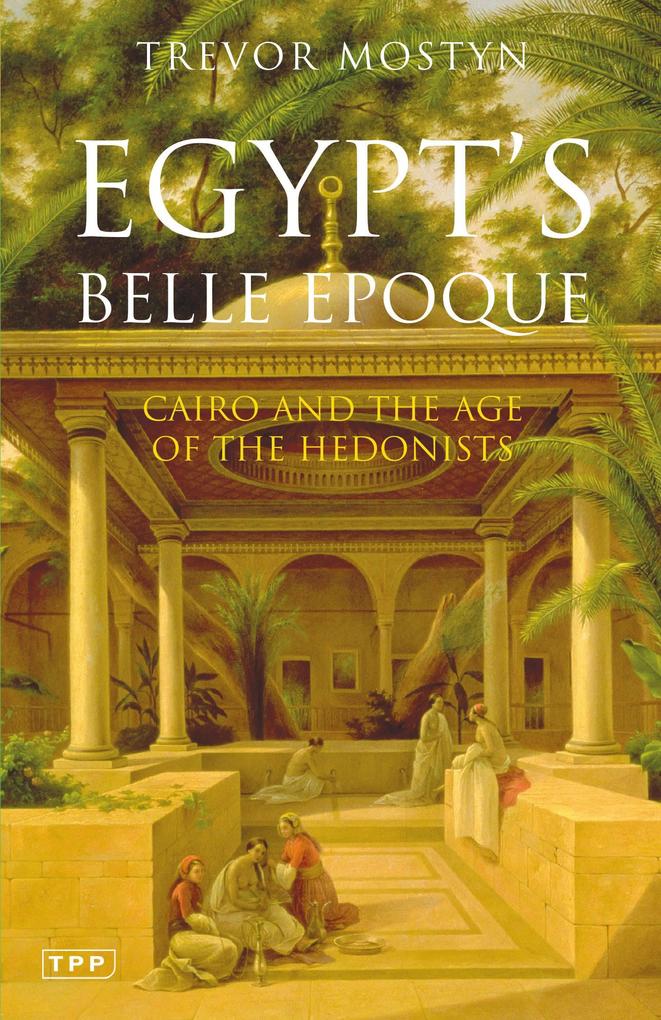
Egypt's Belle Epoque was a period of incredible extravagance during which the Khedive Ismail's Cairo became the mirror image, both architecturally and socially, of decadent Paris. The glamour and hedonism of the era reached its peak during the magnificent celebrations for the opening of the Suez Canal in 1869. Kings and emperors, artists, writers and Europe's most sophisticated flocked to the dazzling new Cairo of sumptuous palaces and Parisian gardens, where glittering parties were held on the banks of the Nile and where Verdi's Aida would later premiere at the new opera house. But the splendour was short-lived. Only a year after the Suez Canal opened, the Second Empire in France collapsed and the Khedive's excesses plunged Egypt into crippling debt. Ismail was eventually forced to abdicate, leaving Cairo to the British who occupied Egypt in all but name.
Inhaltsverzeichnis
Introduction
1 Chibuks and Lice in Ismail's Harem
2 Obsession for an Empress
3 Napoleon's Hated 'Mission Civilizatrice'
4 Muhammad Ali - a Brutal Age of Development
5 A Cruel Princess
6 Rulers of the New Renaissance
7 Ismail - a Ruler Obsessed
8 Paris's Belle Epoque and the Great Exhibition
9 Ismail's Cairo - a Glitzy Age
10 The Finest Opera House in the World
11 The Palace of the Empress
12 The Cousin of the Empress
13 La Belle Eugenie
14 The Opening of the Accursed Canal
15 A Week of Hedonism
16 The Fall of Eugenie
17 The Fall of Ismail
18 Mr Cook and the Hotel Age
19 Cairo: the Englishman's Playground
20 Cairo's Sweet-scented Odalisques
21 The Age of the Great Hotels
22 Cairo's Last Flame
23 Setting Fire to Ismail's City
Epilogue: Ismail's Cairo Today
Notes
Bibliography
Index