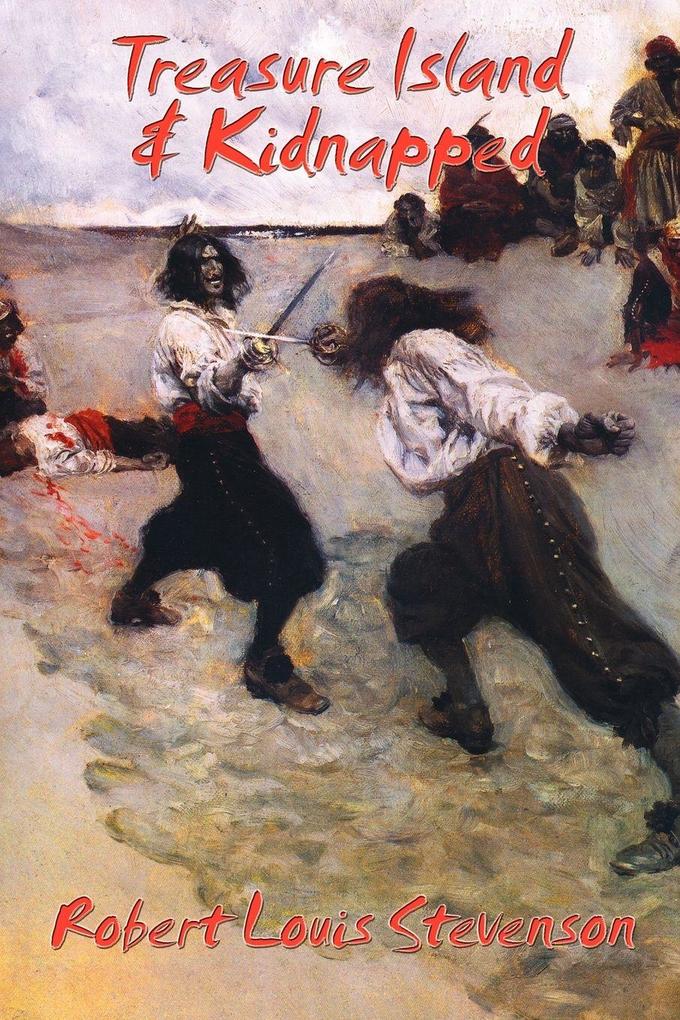
Two of Robert Louis Stevenson's most enduring adventure novels presented together in a single volume.
Treasure Island remains one of the defining works of nineteenth-century adventure fiction. Through the young narrator Jim Hawkins, Stevenson shaped the modern image of the pirate tale: hidden treasure, shifting loyalties, and the enigmatic figure of Long John Silver. The novel's pacing, clarity of structure, and moral tension have secured its place as a foundational work of maritime adventure.
Kidnapped, set in eighteenth-century Scotland, follows David Balfour as he navigates betrayal, political conflict, and survival in the Highlands. Blending historical setting with personal trial, Stevenson crafts a narrative of loyalty, identity, and endurance amid the aftermath of the Jacobite uprisings.
Taken together, these novels display Stevenson's command of atmosphere, character, and narrative movement. Frequently studied in courses on Victorian literature and adventure fiction, both works remain central to the tradition of the historical and maritime novel.