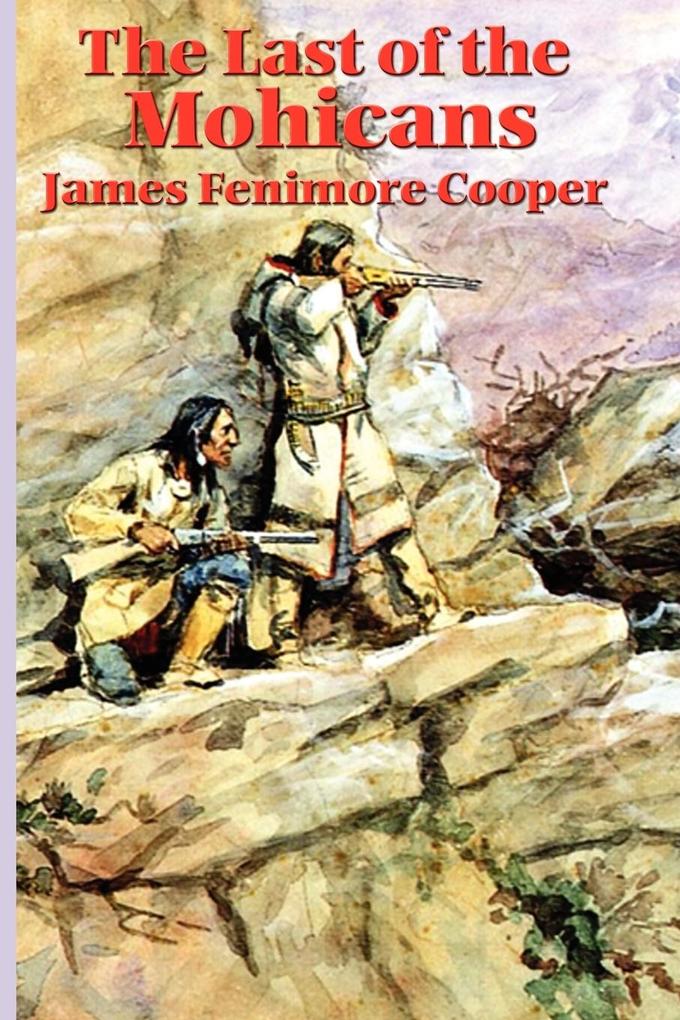
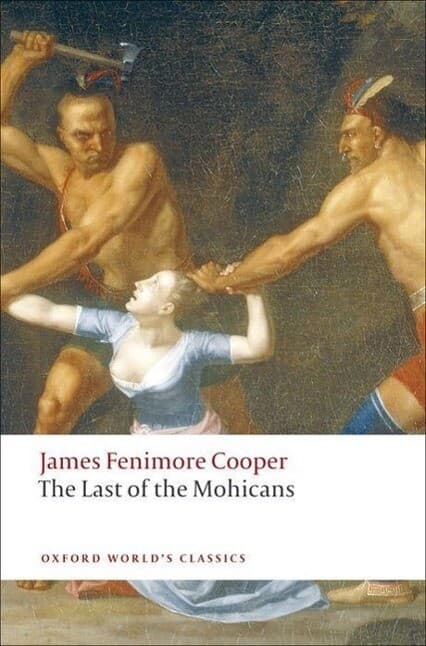
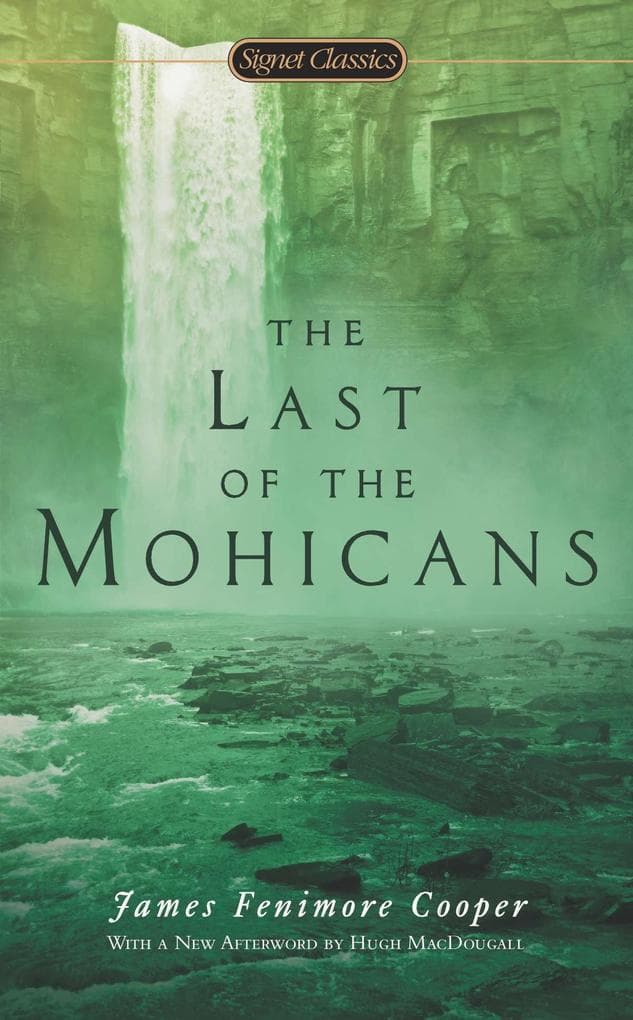
James Fenimore Cooper's The Last of the Mohicans remains one of the most enduring adventure novels in American literature. First published in 1826, the novel is set during the French and Indian War and forms part of Cooper's celebrated Leatherstocking Tales, a series exploring the early American frontier and the meeting of cultures in the wilderness of North America.
The story follows the frontiersman Natty Bumppo-known as Hawkeye-and his companions Chingachgook and Uncas as they guide two young sisters through the dangerous forests of colonial New York. As British and French forces struggle for control of the region, the travelers must navigate treacherous landscapes, shifting alliances, and the constant threat of attack.
Blending historical events with imaginative storytelling, Cooper created a powerful portrait of life on the eighteenth-century frontier. His vivid descriptions of wilderness landscapes and frontier conflict helped shape the literary image of early America, while the characters of Hawkeye and the Mohican warriors became enduring figures in American cultural mythology.
More than a historical adventure, The Last of the Mohicans reflects the tensions and transformations of a world in transition, as Indigenous nations, European settlers, and colonial armies collide in the struggle for control of the continent.