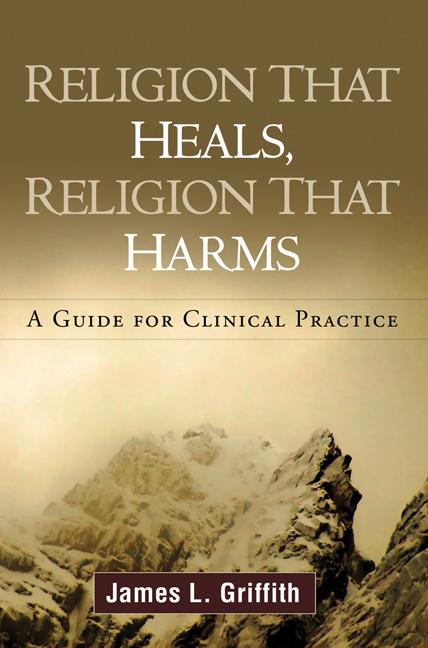
"This is a wise book, carefully crafted by a psychiatrist who is well acquainted with the empirical literature on the psychology of religion. Griffith avoids both naive apologetics and reductionism in providing insights into how to work with what he terms religiously determined patients, including those whose beliefs are distant from one's own. No simple answers are provided; rather the reader is gradually pulled into the guiding thread of the entire text - the importance of maintaining a therapeutic stance of neighborly respect, even when beliefs may be linked to psychological crises and potentially destructive behaviors." - Ralph W. Hood, Jr., Department of Psychology, University of Tennessee at Chattanooga, USA "An important, original book on a topic we face daily, in both our professional and personal lives. With flowing prose, Griffith mines complex areas of research - sociobiology, neurobiology, and attachment theory chief among them - to make crucial distinctions among benign and destructive religious beliefs and practices. After reading this book, clinicians will feel better equipped to engage in meaningful dialogue with patients for whom distinguishing between symptoms of mental illness and 'troubling but nonetheless normal' religious ideas and behavior is essential. The book's blend of conceptual and clinical case material, along with practical suggestions, will appeal to graduate students as well as seasoned clinicians. This is a wise and compassionate book that will be a lasting reference." - Kaethe Weingarten, Department of Psychiatry, Harvard Medical School; Director, the Witnessing Project, USA