








Das eBook.de Hörbuch Abo - jederzeit, überall, für nur 7,95 € monatlich!
Jetzt entdecken
mehr erfahren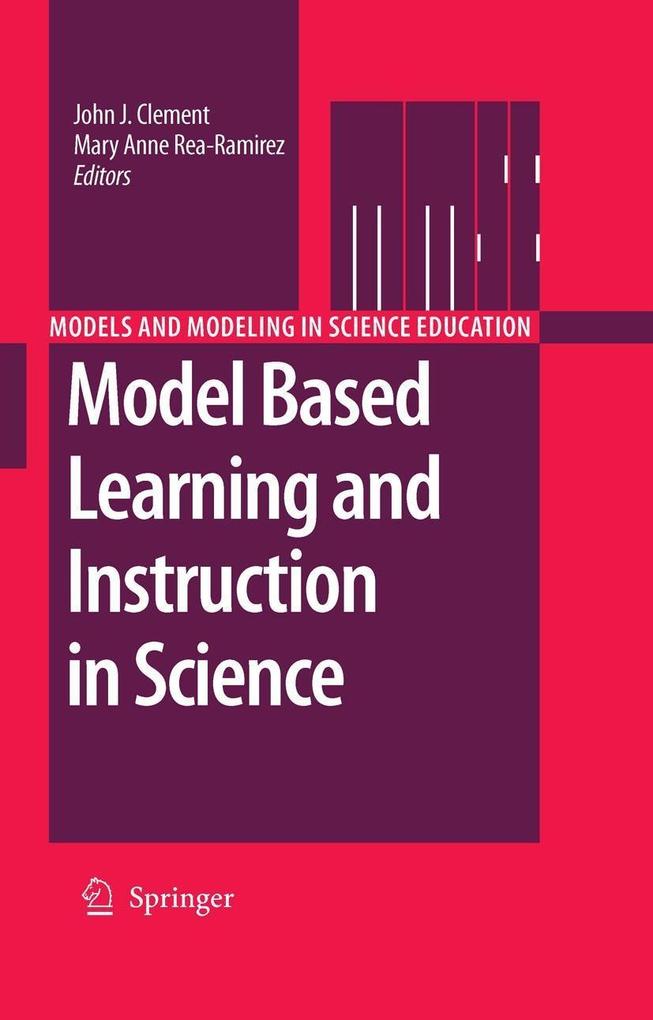
Anyone involved in science education will find that this text can enhance their pedagogical practice.
It describes new, model-based teaching methods that integrate social and cognitive perspectives for science instruction.
What's more, it presents research that describes how these new methods are applied in a diverse group of settings, including middle school biology, high school physics, and college chemistry classrooms.
Within these settings and subject areas, key concepts such as the structure of the lungs or cells, molecular structures and reaction mechanisms, or causes of current flow in electricity, have been notoriously difficult for many students to learn.
The studies presented in this book focus on a variety of successful teaching strategies, such as discrepant questioning, analogies, animations, model competition, and hands-on activities.
Five different levels of teaching strategies are described, from those implemented over months (e. g. , designing the sequence of units in a curriculum) to those implemented over minutes (e. g. , tactics for guiding discussions).
Inhaltsverzeichnis
Es wurden noch keine Bewertungen abgegeben. Schreiben Sie die erste Bewertung zu "Model Based Learning and Instruction in Science" und helfen Sie damit anderen bei der Kaufentscheidung.