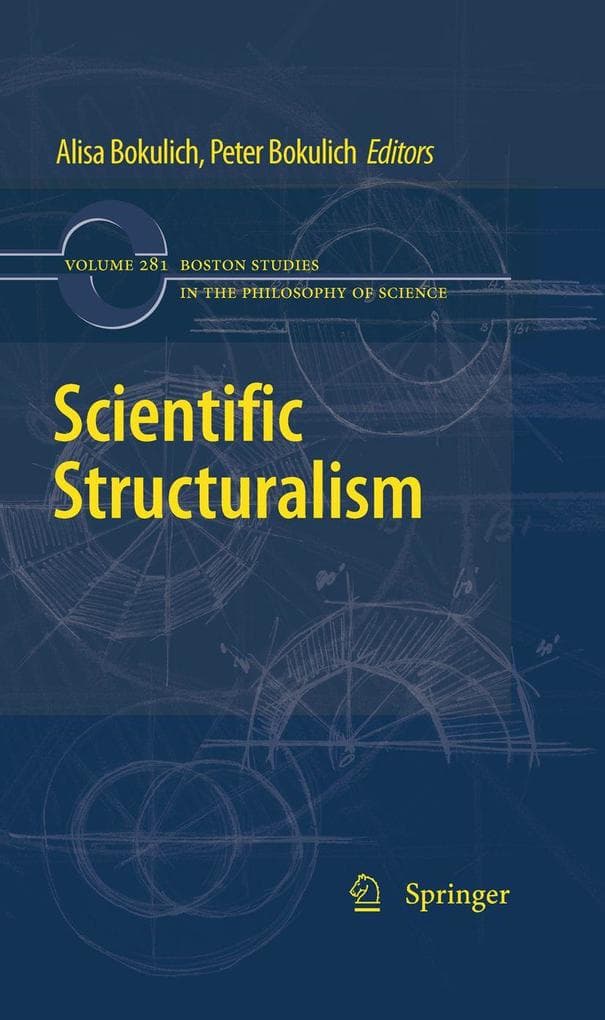
Seen as a flash point of the Scientific Revolution, early modern astronomy witnessed a virtual explosion of views about the function and structure of the world. This study explores these theories in a wide variety of settings, challenging our view of modern science as the straightforward successor of Aristotelian natural philosophy. It shows how astronomers dealt with celestial novelties by deploying old ideas in new ways and identifying deeper patterns of cosmic rationality. Beginning with the celestial spheres of Peurbach and ending with the evolutionary ideas of Boulliau, it surveys a formative stage in our understanding of the cosmos as continually changing.
Inhaltsverzeichnis
1. Acknowledgments. - 2. Notes on Contribtutors. - 3. Introduction. - 4. The Reality of Peurbachs Orbs , (Barker). - 5. Continuity and change in cosmological ideas in Spain between the sixteenth and seventeenth centuries, (Navarro Brontos). - 6. Cornelius Gemma and the new star of 1572 , (Tessicini). - 7. Johannes Kepler and David Fabricius: their discussion on the nova of 1604, Grandada. - 8. Kepler s copernican campaign and the new star of1604 , (Boner). - 9. From cosmos to confession:. - Kepler and the connection between astronomical and religious truth, (Rothman). - 10. Johannes phocylides holwarda and the interpretation of new stars in the dutch republic, (Vermij). - 11. Discovering mira ceti:celestial change & cosmic continuity, (Hatch).