Green, sustainable chemistry involves the designing of chemical
processes with a view to reducing or even eliminating the use and
production of hazardous materials. Recent endeavors have focused on
limiting the use of organic solvents and replacing them with new,
environmentally benign media. The chemical industry is interested
in these cost-effective, alternative solvents and processes.
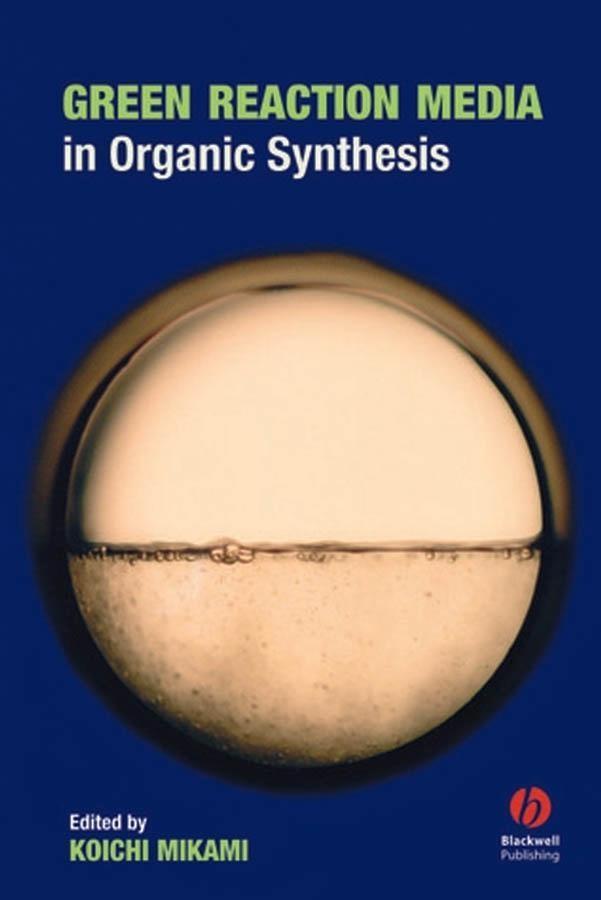
This book provides a broad overview of the three most commonly
used green reaction media. Directed at synthetic organic chemists
working in academic and industrial laboratories, it will also serve
as a textbook for graduate courses on green chemistry. Successful
green reactions are considered, and experimental sections at the
ends of the chapters provide important practical details, with
illustrations of potential applications. Sufficient information is
included to allow selection of the most appropriate medium.
Extensively referenced, the volume offers a point of entry into the
detailed literature.