The credit derivatives industry has come under close scrutiny over
the past few years, with the recent financial crisis highlighting
the instability of a number of credit structures and throwing the
industry into turmoil. What has been made clear by recent events is
the necessity for a thorough understanding of credit derivatives by
all parties involved in a transaction, especially traders,
structurers, quants and investors.
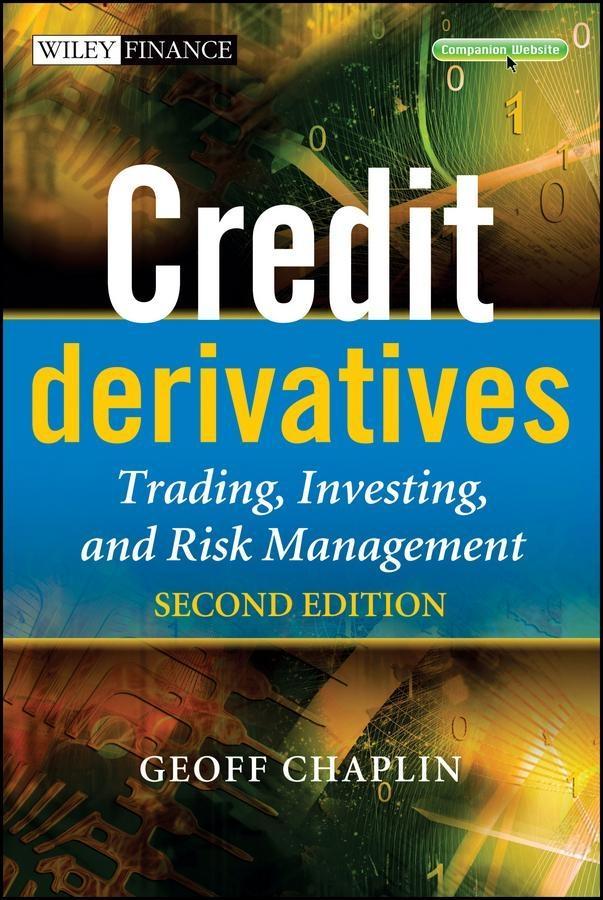
Fully revised and updated to take in to account the new
products, markets and risk requirements post financial crisis,
Credit Derivatives: Trading, Investing and Risk Management,
Second Edition, covers the subject from a real world
perspective, tackling issues such as liquidity, poor data, and
credit spreads, to the latest innovations in portfolio products,
hedging and risk management techniques.
The book concentrates on practical issues and develops an
understanding of the products through applications and detailed
analysis of the risks and alternative means of trading.
It provides:
* a description of the key products, applications, and an
analysis of typical trades including basis trading, hedging, and
credit structuring;
* analysis of the industry standard 'default and recovery' and
Copula models including many examples, and a description of the
models' shortcomings;
* tools and techniques for the management of a portfolio or book
of credit risks including appropriate and inappropriate methods of
correlation risk management;
* a thorough analysis of counterparty risk;
* an intuitive understanding of credit correlation in reality and
in the Copula model.
The book is thoroughly updated to reflect the changes the
industry has seen over the past 5 years, notably with an analysis
of the lead up and causes of the credit crisis. It contains 50% new
material, which includes copula valuation and hedging, portfolio
optimisation, portfolio products and correlation risk management,
pricing in illiquid environments, chapters on the evolution of
credit management systems, the credit meltdown and new chapters on
the implementation and testing of credit derivative models and
systems.
The book is accompanied by a website which contains tools
for credit derivatives valuation and risk management, illustrating
the models used in the book and also providing a valuation
toolkit.