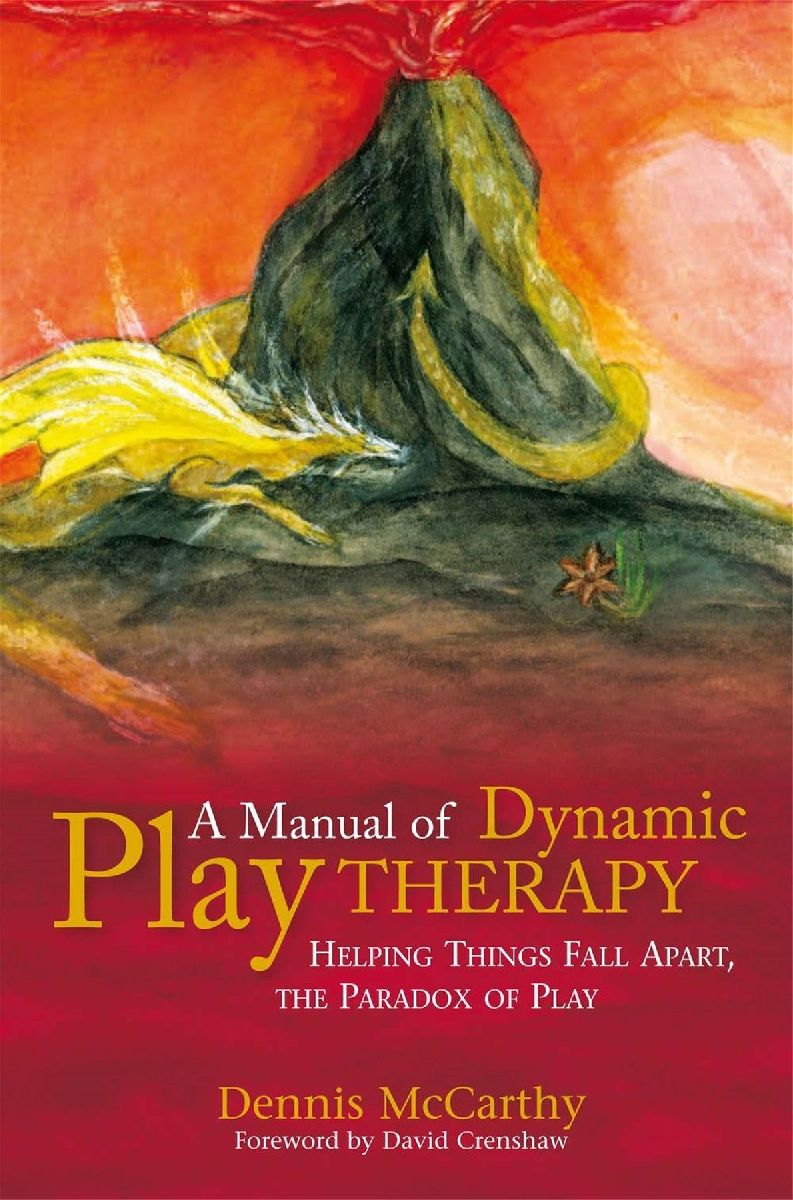
Children experience growth and change throughout their lives. This book explains how this reorganising process can be used in play therapy to help children dealing with social, neurological, developmental, health and family issues. Theory and examples are used to show how to apply the practice with a range of clients.
Inhaltsverzeichnis
Foreword by David A. Crenshaw, Ph.D. Introduction. Part 1: Invoking the Spirit of Play. 1. Paradox: The Essence of Play Therapy. 2. The Roles of the Dynamic Play Therapist: Witnessing, Containing, Provoking, Envisioning. 3. Synchrony and Mirroring. Part 2: Imaginative Play. 4. The Meaning and Necessity of Symbols. 5. Symbols as Vehicles for Emotion. 6. Sand as Vehicle for Symbols. Part 3: Aggressive Play. 7. The Function and Necessity of Aggression. 8. Aggression and the Connection to the Self: Monsters. 9. Aggression and the Connection to Others. 10. Play Materials that Facilitate Healthy Aggression. Part 4: Helping Things Fall Apart. 11. The Mythological Perspective. 12. The Natural World as Evidence. Epilogue: Getting Lost and Finding Ourselves. References. Recommended Reading. Index.