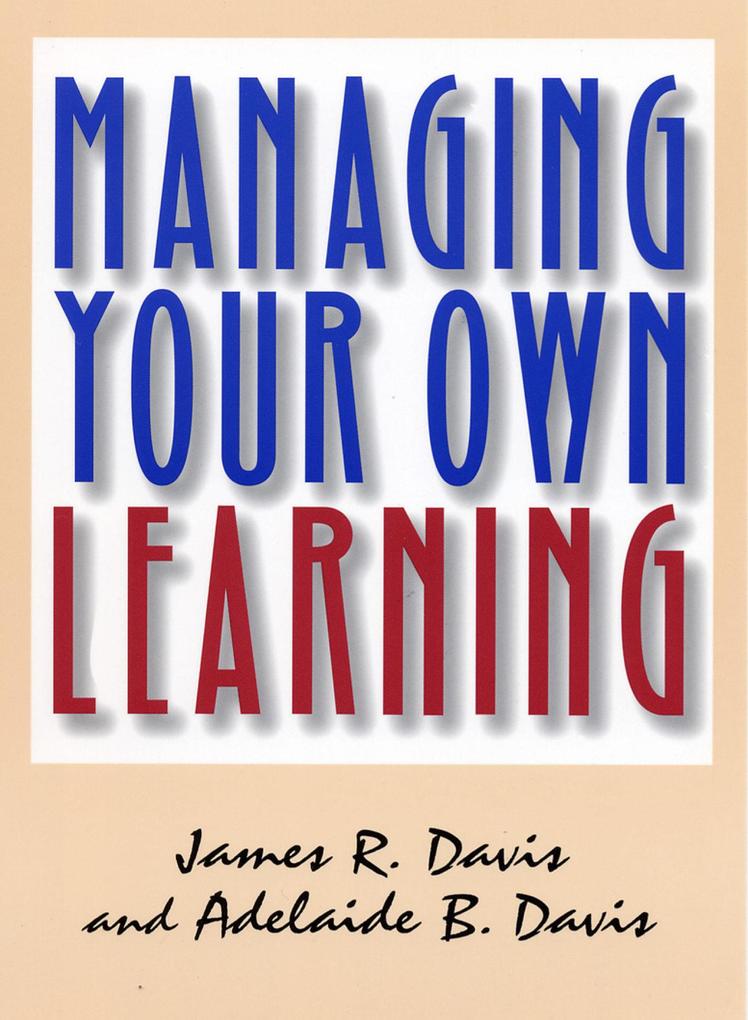
This guide for independent learning and workplace training presents seven powerful strategies for staying ahead in today’ s knowledge-based economy. < BR> < BR> These days, perpetual learning is an essential professional skill and a vital part of any business. It’ s important to have effective learning strategies that work for you and your team. This practical guide offers a comprehensive approach to creating a focused philosophy of learning, choosing the best approach to planning programs and activities, and developing appropriate systems for assessing results. < BR> < BR> The authors cover seven powerful training strategies: Behavioral, Cognitive, Inquiry, Mental Models, Group Dynamics, Virtual Reality, and Holistic. They provide a detailed description of each, including the learning theory behind it, its strengths and weaknesses, practical examples of the strategy in action, and side-by-side comparisons showing its appropriate uses. < BR> < BR> Based on well-researched theories of learning, this book is rich in examples from more than sixty-five worldwide business leaders— including Eastman Kodak, Motorola, SHARP, United Airlines, Norsk Hydro, ABB Atom, Boeing, TELEBRAS, and the U. S. Air Force.
Inhaltsverzeichnis
Acknowledgments < BR> Introduction: The Age of Perpetual Learning < BR> < BR> Part One PREPARATION FOR LEARNING< BR> 1. Taking Charge: Developing a Plan for Learning < BR> 2. Knowing Yourself as a Learner: Estimating Your Potential< BR> 3. Redefining Learning: Examining Your Attitudes About Learning < BR> < BR> Part Two SEVEN WAYS OF LEARNING< BR> Introduction to the Seven Ways of Learning < BR> 4. Learning New Skills: Behavioral Learning < BR> 5. Learning From Presentations: Cognitive Learning < BR> 6. Learning to Think: Inquiry Learning< BR> 7. Learning to Solve Problems and Make Decisions: Using Mental Models for Learning < BR> 8. Learning in Groups: Collaborative Learning < BR> 9. Improving Performance: Learning Through Virtual Realities < BR> 10. Learning From Experience: Holistic Learning < BR> < BR> Part Three MAXIMIZING LEARNING< BR> 11. High-Impact Learning: Using the Seven Ways of Learning to Get Results < BR> 12. Sources of Information: Finding What You Need < BR> 13. Becoming a Perpetual Learner: Expanding Your Opportunities for Learning < BR> Notes < BR> Index < BR> About the Authors