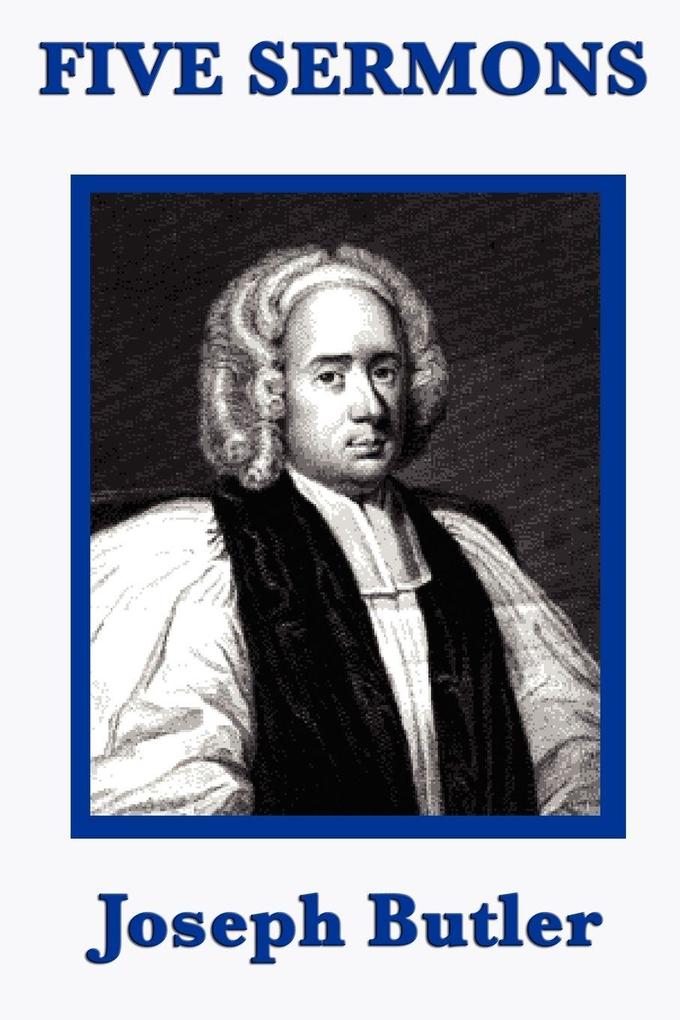
BISAC notes: Lead with REL067070 if available in LSI, because the book is more Christian moral theology than general sermon literature. REL058030 is also a strong fit if the platform's sermon category is available. BISG's Religion guidance says topical religious headings should be used first where appropriate, then paired with the specific religion; that supports using Christian theology/ethics and sermons categories together for this title.About the AuthorJoseph Butler (1692-1752) was an English Anglican bishop, theologian, preacher, and moral philosopher. He is best known for Fifteen Sermons Preached at the Rolls Chapel and The Analogy of Religion, Natural and Revealed, to the Constitution and Course of Nature, works that made him one of the most important religious thinkers of the eighteenth century. Butler wrote at a time when questions about reason, revelation, conscience, self-interest, and moral obligation were central to British intellectual life, and his work became a major contribution to both Christian apologetics and moral philosophy.Butler's sermons are especially important for their account of human nature. Against theories that reduced human action to selfishness, he argued that human beings possess a moral constitution in which conscience has a rightful authority over appetite, passion, self-love, and benevolence. His treatment of conscience, virtue, and the love of neighbour influenced later philosophers and theologians, and his work remains significant for readers interested in Christian ethics, Anglican theology, natural religion, and the philosophical defence of moral responsibility.Although written as sermons, Butler's discourses are unusually philosophical in method. They proceed by careful distinction, argument, and moral analysis rather than by rhetorical display alone. That combination of Christian seriousness and philosophical discipline explains why Butler has continued to be read not only as a bishop and preacher, but as a major figure in the history of ethics.