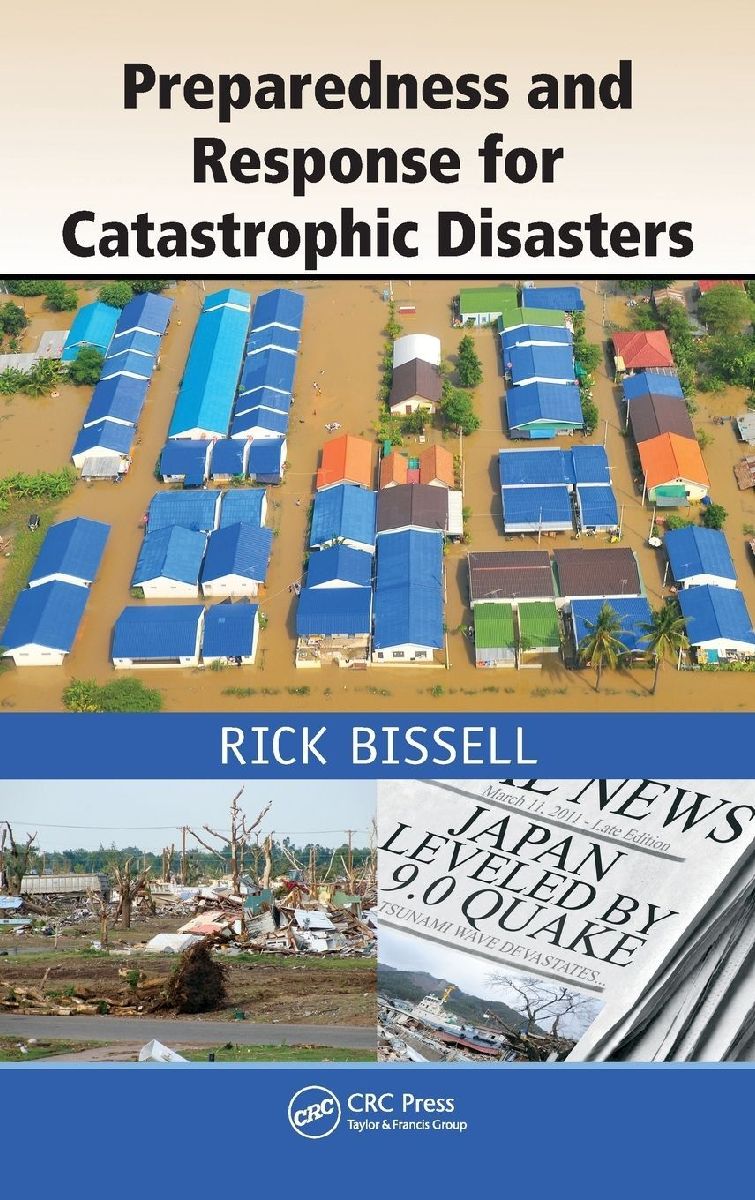
Based on a popular course for the FEMA Higher Education project, this volume provides important insight into plans to mitigate and respond to the devastation caused by large-scale catastrophic events. Written by top disaster scholars and practitioners, the book defines what constitutes a catastrophic event, outlining both the factors that can lead to catastrophes and the unique logistical, planning, and response challenges posed by them. It explores how catastrophes can dramatically affect populations and addresses new, innovative, and fundamentally unique strategies communities can institute to better prepare populations for catastrophic events and their aftermath.
¿
¿
Inhaltsverzeichnis
What Is a Catastrophe, and Why Is This Important? Understanding Catastrophes: A Discussion of Causation, Impacts, Policy Approaches, and Organizational Structures. Ethics in Catastrophe Readiness and Response. Political and Legal Issues. Economics of Catastrophes and Disasters. Logistics and the Management of Critical Supplies Following Catastrophes. Overview of Critical Infrastructure in Catastrophes. Public Health Role in Catastrophes. Catastrophes, Mass Displacement, and Population Resettlement. Emergent Organizations and Networks in Catastrophic Environments. Methods of Planning and Response Coordination. Catastrophic Disaster Recovery: An Institutional Network Perspective. Pandemic Scenario. Training and Exercises for Catastrophes. Catastrophes in Haiti and Japan. Summary and Call to Action. Index.