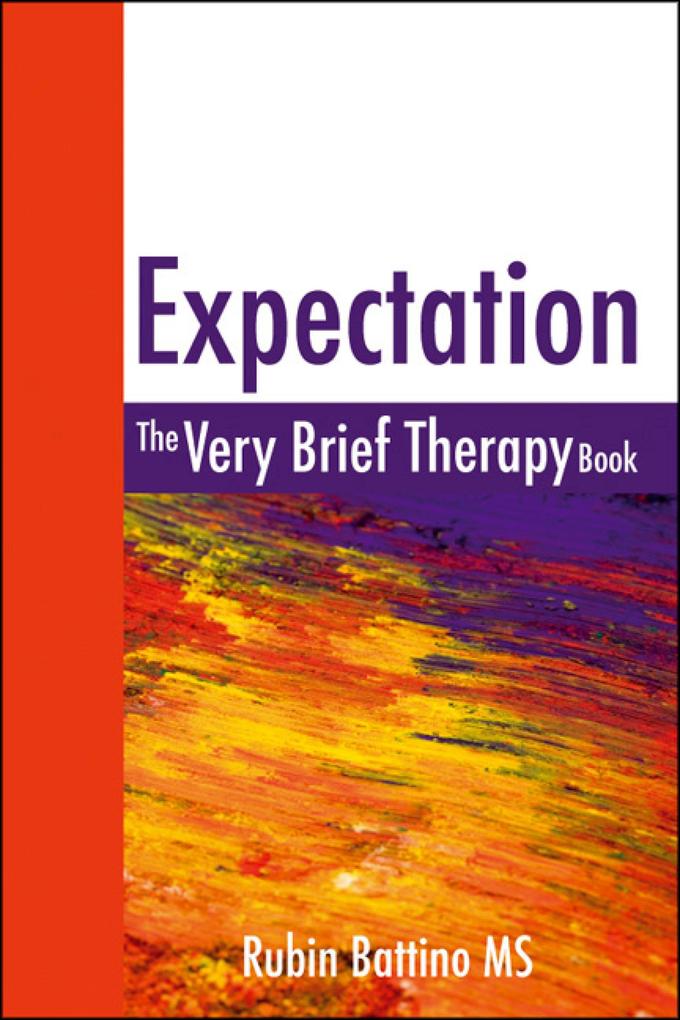
It is the author's contention that creating an environment where the client expects change is the foundation of doing effective very brief therapy. His own private practice is one where he rarely sees clients more than one or two times. Clients know in advance that this is the way that he works, and so their expectation is that during this session they are going to get down to the hard stuff. This means working as if each session were the last one. So, this book is about all of the things that are designed to work in a single-session mode.
Inhaltsverzeichnis
After presenting the basic outline of this approach, the remainder of the book details (chapter by chapter) the specific approaches that the author finds most useful in this work. These include:;
Rapport;
Hypnotic Language;
Metaphor and Hypnosis;
Solution-Oriented Approaches;
The Work of de Shazer and Associates;
Bill O'Hanlon's Approaches;
Lucas Derks's Social Panorama;
Erickson and Very Brief Therapy;
Jay Haley and Ordeal Therapy;
Ambiguous Function Assignments;
Burns's Nature-Guided Therapy;
Richard R. Kopp's Metaphor Therapy;
Rossi's Rapid Methods;
Ideodynamic Methods (Mostly D. B. Cheek);
NLP Approaches;
Narrative Therapy;
Rituals and Ceremonies;
Provocative Therapy;
Duncan, Miller, and Sparks' "Heroic Client";
Moshe Talmon's Single Session Therapy (SST);
Expectation is the definitive guide to how Rubin Battino does therapy. As such it is an essential addition to any therapists library.