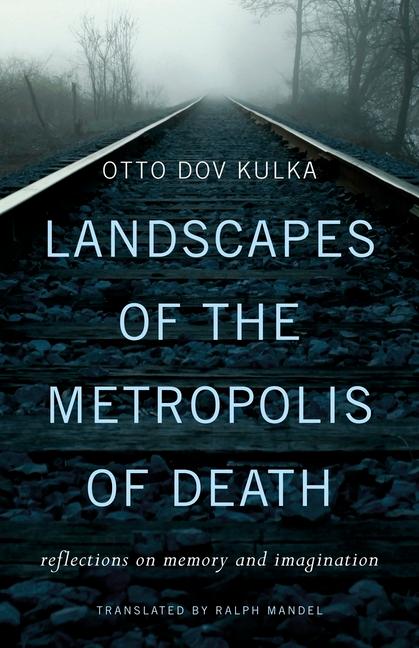
[Kulka's] aim is not to provide a precise record of his time in the camp, but rather, to evoke something of the mythscape of what he repeatedly calls 'the metropolis of death, ' a place whose sole purpose (at least after the departure of international monitors) is to murder as many people in as efficient a manner as possible...Some readers of the volume may be frustrated by its lack of explicit condemnation or moral outrage, its insistence on personal rumination rather than broad critique. That, though, seems for Kulka to be the business of historiography; here he is interested in something very different: evoking the experience of a place and time that existed beyond the farthest reaches of comprehension.--James Williams"PopMatters" (03/28/2013)