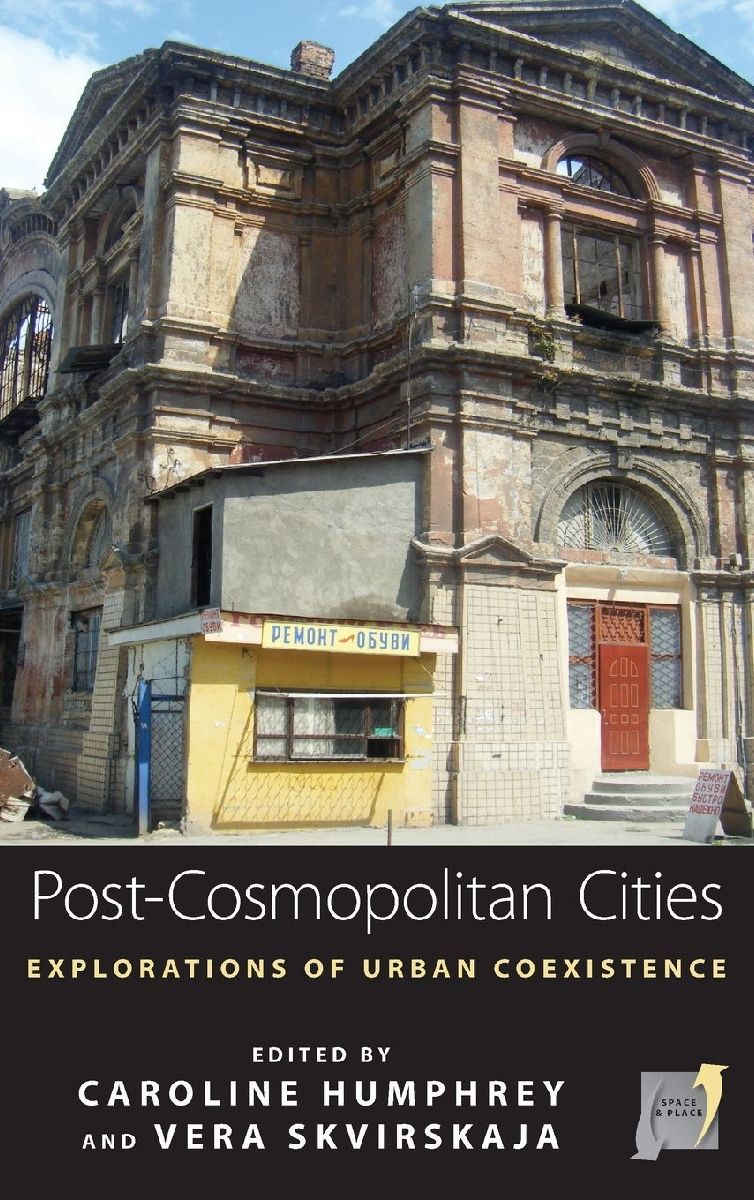
Examining the way people imagine and interact in their cities, this book explores the post-cosmopolitan city. The contributors consider the effects of migration, national, and religious revivals (with their new aesthetic sensibilities), the dispositions of marginalized economic actors, and globalized tourism on urban sociality. The case studies here share the situation of having been incorporated in previous political regimes (imperial, colonial, socialist) that one way or another created their own kind of cosmopolitanism, and now these cities are experiencing the aftermath of these regimes while being exposed to new national politics and migratory flows of people.
Inhaltsverzeichnis
List of Illustrations
Acknowledgements Introduction
Caroline Humphrey and Vera Skvirskaja Chapter 1. Odessa: Pogroms in a Cosmopolitan City
Caroline Humphrey Chapter 2. Negotiating Cosmopolitanism: Migration, Religious Education and Shifting Jewish Orientation in Post-Soviet Odessa
Marina Sapritsky Chapter 3. At the City's Social Margins: Selective Cosmopolitans in Odessa
Vera Skvirskaja Chapter 4. 'A Gate, but Leading Where?' In Search of Actually Existing Cosmopolitanism in Post-Soviet Tbilisi
Martin Demant Frederiksen Chapter 5. Cosmopolitan Architecture: 'Deviations' from Stalinist Aesthetics and the Making of Twenty-first Century Warsaw
G. Michal Murawski Chapter 6. Sinking and Shrinking city: Cosmopolitanism, Historical Memory and Social Change in Venice
Joanna Kostylo Chapter 7. Haunted by the Past: Immigration and Thessaloniki's Questionable Path to a New Cosmopolitanism
Panos Hatziprokopiou Chapter 8. 'For Badakshan - the Country without Borders!': Village Cosmopolitans, Urban-Rural Networks and the Post-Cosmopolitan City in Tajikistan
Magnus Marsden Notes on Contributors
Index