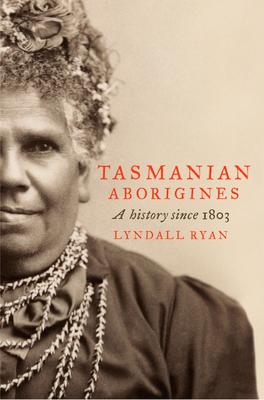
Tasmanian Aborigines were driven off their land so white settlers could produce fine wool for the English textile mills. By the time Truganini died in 1876, they were considered to be extinct--yet like so many other claims about them, this was wrong. Far from disappearing, the Tasmanian Aborigines actively resisted settler colonialism from the outset and have consistently campaigned for their rights and recognition as a distinct people through to the present. Lyndall Ryan tells the story of the Aboriginal people of Tasmania, from before the arrival of the first whites to current political agendas. Tasmania has been the cradle of race relations in Australia, and their struggle for a place in their own country offers insights into the experiences of Aboriginal people nationwide.
Inhaltsverzeichnis
Acknowledgements..List of illustrations..List of maps..Preface..
Part I Invasion: 1803-26..1. Trouwunna..2. Wrageowrapper, 1803-07..3. Creole society, 1808-20..4. Pastoral invasion, 1817-26..
Part II War: 1826-31..5. Arthur's war, 1826-28..6. Martial law, 1828-30..7. The settlers regroup, 1830..8. The Black Line, 1830-31..9. The reckoning..
Part III Surrender: 1829-34..10. Robinson and the Nuenonne on Bruny Island, 1829..11. Mission to the western nations, 1830..12. Surrender in the Settled Districts, 1830-31..13. Western nations: forced removal, 1832-34..
Part IV Incarceration: 1835-1905..14. Wybalenna, 1835-39..15. Wybalenna, 1839-47..16. Oyster Cove, 1847-1905..
Part V Survival: 1840-1973..17. The Islanders, 1840-1902..18. Resisting protection and assimilation, 1908-73..
Part VI Resurgence: 1973-2010..19. Reclaiming rights and identity, 1973-92..20. Breakthrough, 1992-95..21. 'Unfinished business', 1996-2010..Epilogue..Notes..Bibliography..Index