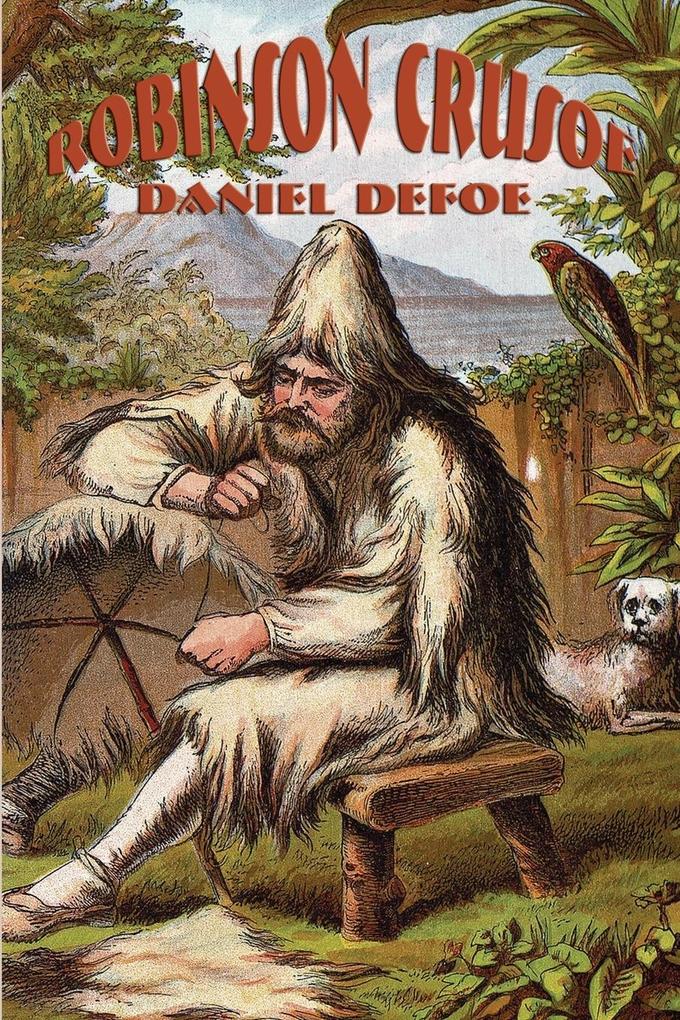
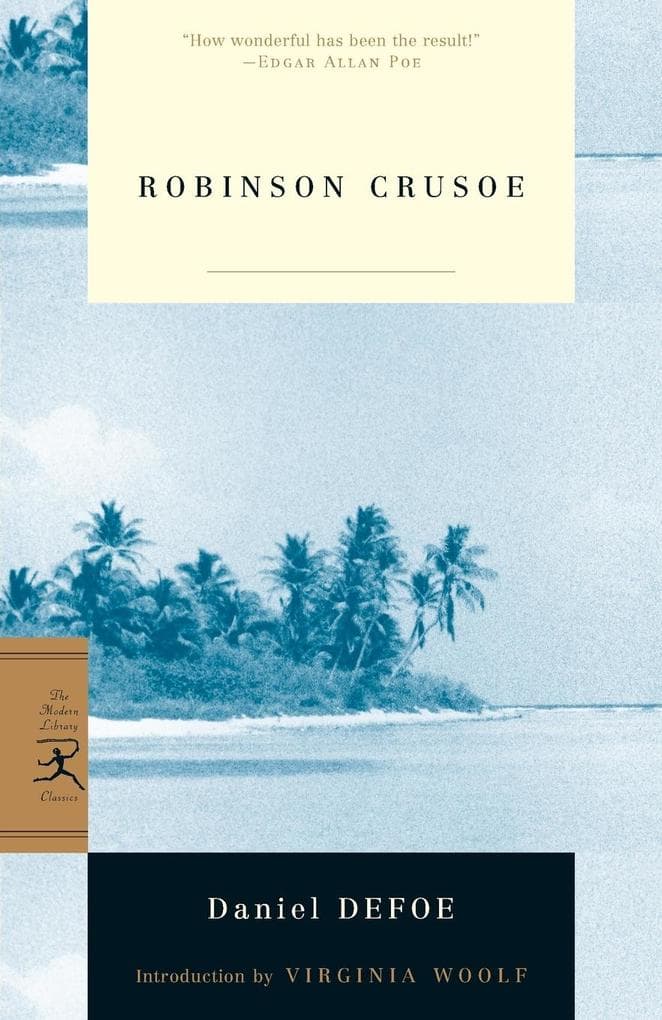
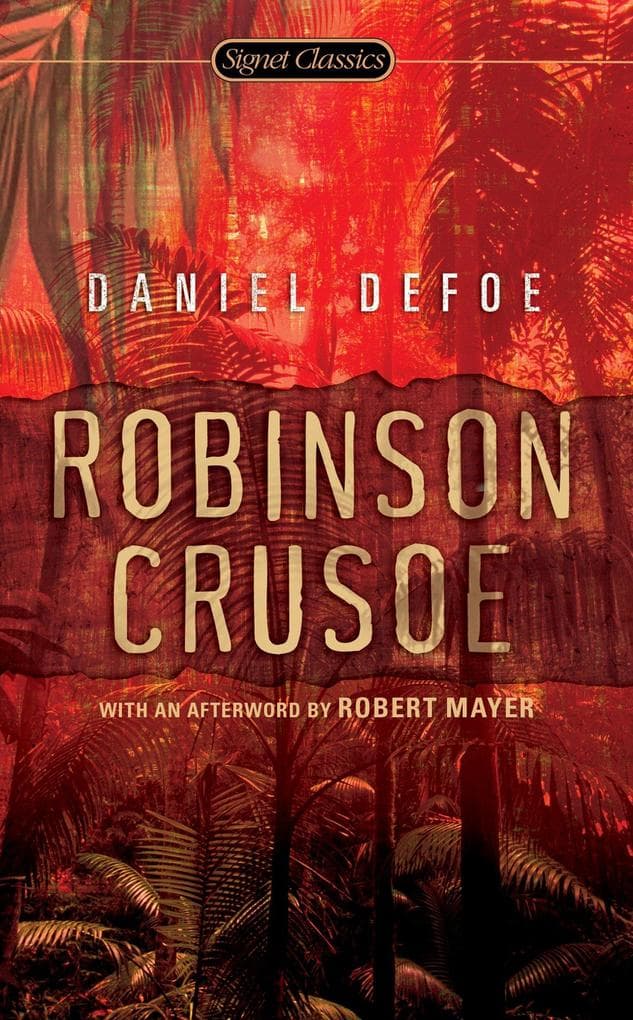
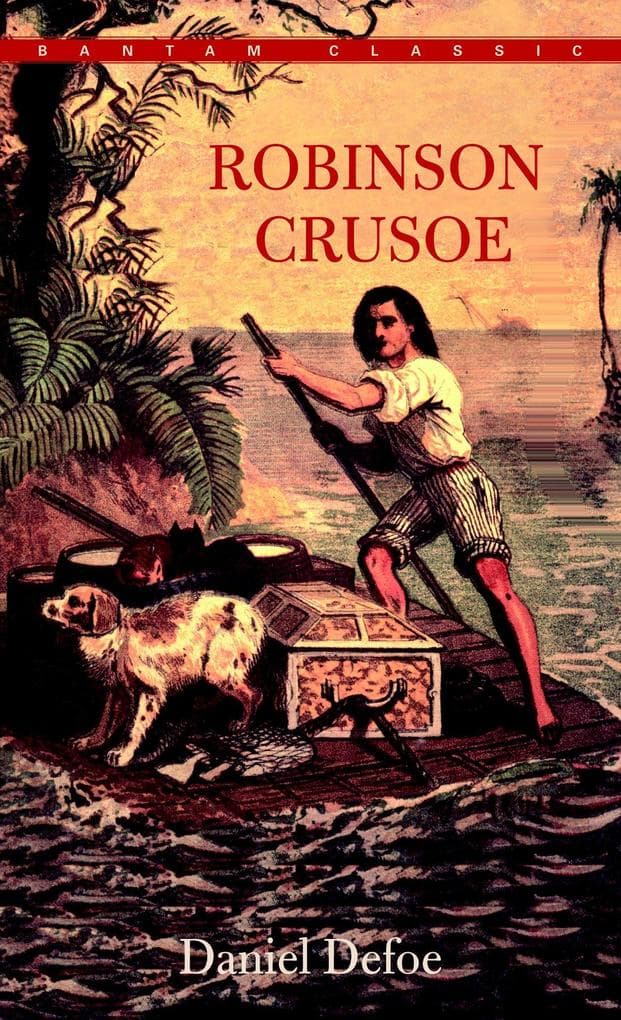
A foundational English novel of survival, self-reliance, and sustained observation set within an isolated environment. In Robinson Crusoe, Daniel Defoe presents the account of a castaway who, through labour, adaptation, and careful management of resources, constructs a viable life on a remote island.
The narrative proceeds through detailed attention to process, recording the practical steps by which shelter, food, and order are established. Defoe's method emphasises continuity and accumulation, allowing the passage of time to be measured through work, reflection, and the gradual imposition of structure on an unfamiliar setting. The result is a narrative shaped as much by persistence as by incident.
Regarded as one of the earliest English novels, Robinson Crusoe has exerted a lasting influence on adventure fiction and narratives of isolation. It remains widely read for its clarity of presentation, its focus on individual agency, and its role in the development of the novel as a form.