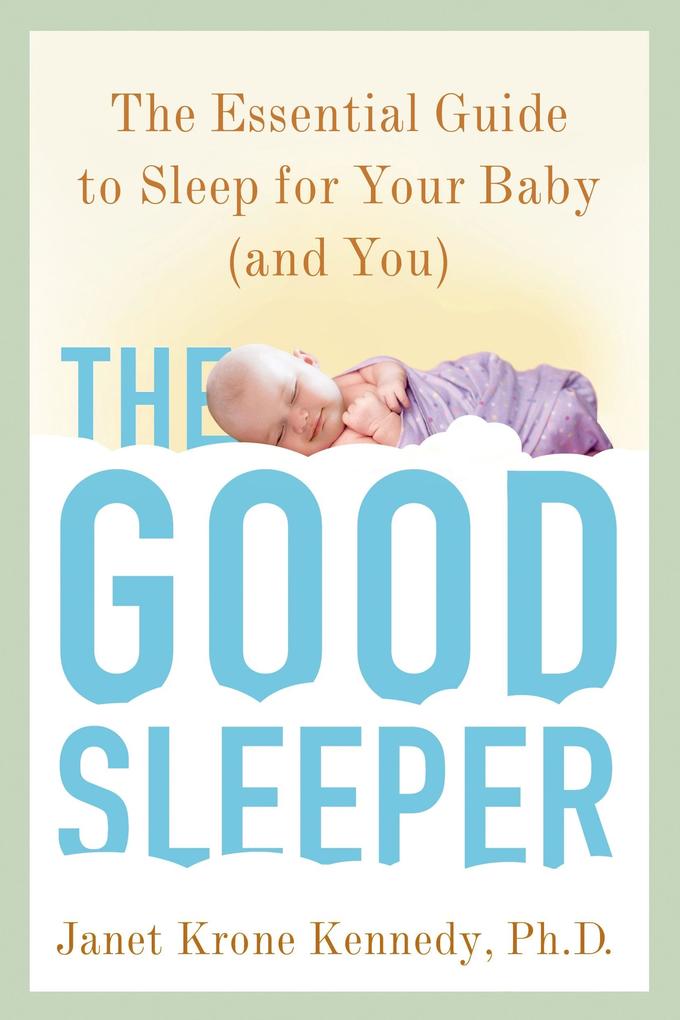
A refreshingly straightforward method for training infants to become great sleepers for life, inspired by clinical psychologist Janet Kennedy's popular psychotherapy practice, NYC Sleep Doctor
Cry it out or co-sleep? Bassinet or swing? White noise machine or Bach? How many hours anyway? For something so important, there's too much conflicting information about how best to get your baby to sleep through the night and nap successfully during the day. This book is a straightforward, no-nonsense answer to one of the biggest challenges new parents face when they welcome a brand new baby home. This book is written for exhausted parents, giving them immediate access to the information they need. Reassuring and easy to understand, Dr. Kennedy addresses head-on the fears and misinformation about the long-term effects of crying and takes a bold stand on controversial issues such as co-sleeping and attachment parenting. With polarizing figures and techniques dominating the marketplace-and spawning misinformation across the internet-Dr. Kennedy's methods and practices create an extensively researched and parent-tested approach to sleep training that takes both babies' and parents' needs into account to deliver good nights and days of sleep, and no small dose of peace of mind.
The Good Sleeper is a practical, empowering-and even entertaining-guide to help parents understand infant sleep. This research-based book will teach parents the basics of sleep science, determine how and when to intervene, and provide tools to solve even the most seemingly impossible sleep problems.
Inhaltsverzeichnis
Introduction 1
The Good Sleeper Approach to Infant Sleep 5
1. It's All About Adrenaline 13
Adrenaline and Overfatigue 14
Keeping Your Baby Well Rested 16
Watching the Clock 16
Following Drowsiness Cues 17
Common Myths and Misconceptions 22
Key Points from Chapter 1 23
2. The Early Weeks (0-6 Weeks Old) 24
Where Will Your Baby Sleep? 25
A Hierarchy of Sleep Independence 28
Becoming Your Baby's Sleep Facilitator 31
Responding to Drowsiness Cues 33
White Noise 35
Responding to Night Waking 36
Pacifiers 37
The Onset of Fussiness 38
Coping with Colic 38
Is It Reflux? 43
Avoid Information Overload 44
Key Points from Chapter 2 45
3. The Light at the End of the Newborn Tunnel (6-12 Weeks) 46
The Beginnings of the Body Clock 47
The Sleep and Eating "Schedule" 49
The Sleep Environment 52
Easing into Independent Napping 53
Establishing the Bedtime Routine 55
Lengthening Night Sleep 57
Baby Monitors 60
Transitioning to the Crib 62
Pacifiers 63
Swaddles 63
Challenging Situations: Colic and Reflux 65
Key Points from Chapter 3 67
4. A Schedule Emerges (12-20 Weeks and Beyond) 68
Toning Down the Soothing 70
The Schedule Develops 72
Why So Much Focus on Naps? 75
The Early Bedtime 78
The Schedule Evolves 82
What If You Don't Have a Choice About Nap Times? 85
Key Points from Chapter 4 86
5. Sleeping Through the Night 87
Step 1: Get Your Baby as Rested as Possible 88
Step 2: Create Sleep Cues and Stop Feeding to Sleep 89
Step 3: Teach Your Baby to Fall Asleep in the Crib 90
Step 4: Figure Out Why Your Baby Is Still Waking Up 92
Need Versus Want 93
Step 5: Pick a Strategy: Methodical Step-by-Step or Cut to the Chase 94
Step 6: Weaning from Night Feedings 95
Step 7: Weaning from Night Soothing 98
Step 8: The Final Hurdle: Cry-It-Out 99
Timing 100
Extinction Explained 101
Preparation and Safety 102
The Process 103
Crying with Checks: AKA the "Ferber Method" 105
Crying Without Checks 107
Keeping a Scheduled Feeding 109
Dream Feeding 110
Vomit 112
How to Survive Cry-It-Out 113
Your Baby's Reaction 114
How Long Does It Take? 115
Does It Last? 115
Key Points from Chapter 5 116
6. Getting Unstuck 117
Your Self-Assessment 119
Determining Your Plan of Action 123
Working in Phases 126
Phase 1: Laying the Groundwork 126
Phase 2: It's Time for Crying 134
Nights, Naps, or Both? 135
How to Use Crying at Nap Time 137
What If Crying Doesn't Work? 141
Key Points from Chapter 6 146
7. Tricky Circumstances 147
Space Challenges 148
Siblings 149
Room Sharing 152
Travel 156
Jet Lag 160
Daylight Savings 161
Changes and Derailments 165
Illness 165
Teething 166
Developmental Milestones 167
Developmental Changes to the Sleep Schedule 171
Key Points from Chapter 7 172
8. Child Care 174
Day Care or Nanny? 176
Benefits of Day Care 177
Disadvantages of Day Care 182
Benefits of Hiring a Nanny 184
Disadvantages of Hiring a Nanny 186
What to Look For in a Day Care 187
Talking to Your Nanny About Sleep 190
And Now, Take the Leap 190
Key Points from Chapter 8 191
9. Reality Check 192
You Can't Control Everything 193
You Do Need to Have Some Control 196
Sleep Is Not Always Perfectly Predictable 197
Good Sleepers Make Noise During the Night 199
Taking a Step Back 200
Key Points from Chapter 9 201
10. When the Baby Is Sleeping but the Parents Aren't 203
Having a Baby Is Stressful, Even When Things Go Smoothly 205
Taking Care of Yourself in Increments 206
Getting the Sleep You Need 211
Resetting Your Body Clock 219
Take Care of You 231
Appendix A: Cry-It-Out: Is It Harmful? 233
"Scientists Say . . ." 237
What the Leading Scientists Really Say 241
Research on Cry-It-Out/Extinction 241
The Impact of Sleep Training on Attachment 243
The Truth About Cortisol 244
What About Long-term Effects of Cry-It-Out? 247
Appendix B: The Good Sleeper Primer 252
Appendix C: Sleep Diaries 254
Index of Case Examples 258
Recommended Reading and Viewing 260
References from Appendix A: Cry-It-Out: Is It Harmful? 262
Additional Sources 268
Acknowledgments 275
Index 279