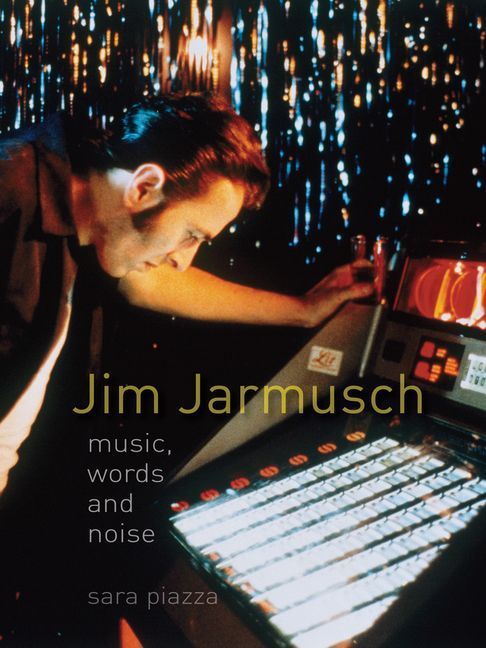
Jim Jarmusch: Music, Words and Noise is the rst book to examine the lms of Jim Jarmusch from a sound-oriented perspective. Exploring the directors extensive back catalogue, including Stranger than Paradise (1984), Down by Law (1986), Dead Man (1995) and Only Lovers Left Alive (2013), Sara Piazza identies three acoustic elements that structure the lms: music, words and noise. This unique reading reveals how Jarmusch created a form of sound democracy in lm, in which sound is not subordinate to the visual. In his melting-pot method, sound and word - high and low culture - can coexist: from Schubert and Japanese noise bands to Marlowe and Betty Boop.
Using examples from music, cinema and literature, and identifying techniques from pre-sound-era lm in the directors work, this study investigates how Jarmuschs distinctive reputation, consolidated over the course of a 30-year career, is deeply connected to his treatment of sound. Based in New York, Jarmusch was able to develop a ercely personal vision far from the commercial pressures of Hollywood. This fascinating book also features illuminating interviews with many prominent gures from the lm world including Ennio Morricone, Luc Sante, Roberto Benigni, John Lurie and Jarmusch himself.
An innovative account of a unique and much-admired body of work, Jim Jarmusch will appeal not only to the many fans of the director, but also all those interested in lm techniques and lm-making in general.
Jim Jarmusch: Music, Words and Noise is the first book to examine the films of Jim Jarmusch from a sound-oriented perspective. The three essential acoustic elements that structure a film-- music, words and noise--propel this book's fascinating journey through his work. Exploring the director's extensive back catalogue, including Stranger Than Paradise, Down By Law, Dead Man, and Only Lovers Left Alive, Sara Piazza's unique reading reveals how Jarmusch created a form of "sound democracy" in film, in which all acoustic layers are capable of infiltrating each other and in which sound is not subordinate to the visual. In his cultural melting pot, hierarchies are irrelevant: Schubert and Japanese noise-bands, Marlowe and Betty Boop, can coexist easily side-by-side. Developing the innovative idea of a "silent-sound film," Piazza identifies prefiguring elements from pre-sound-era film in Jarmusch's work. <p/> Highlighting the importance of Jarmusch's treatment of sound, Piazza investigates how the director's distinctive reputation consolidated itself over the course of a thirty-year career. Based in New York, Jarmusch was able to develop a fiercely personal vision far from the commercial pressures of Hollywood. The book uses wide-ranging examples from music, film, literature, and visual art, and features interviews with many prominent figures, including Ennio Morricone, Luc Sante, Roberto Benigni, John Lurie, and Jarmusch himself. <p/> An innovative account of a much-admired body of work, Jim Jarmusch will appeal not only to the many fans of the director but all those interested in the connections between sound and film. <p/> Visit the author's page for this book: http: //jimjarmusch-musicwordsandnoise.com
Inhaltsverzeichnis
Introduction, Par 1 - Music: New York Stories;
Jarmusch, the Musician;
John Lurie, the Gamelan and Minimal Music;
Memphis Hip Hop, Half-Castes and Samurai;
Part 2 - Words: The Battle Against Verbocentrism;
The Melting Pot of Words, The Way of Cultural Relativism;
Jarmusch, the Poet;
Part 3 - Noise: Communicating at All Cost;
Silence;
References