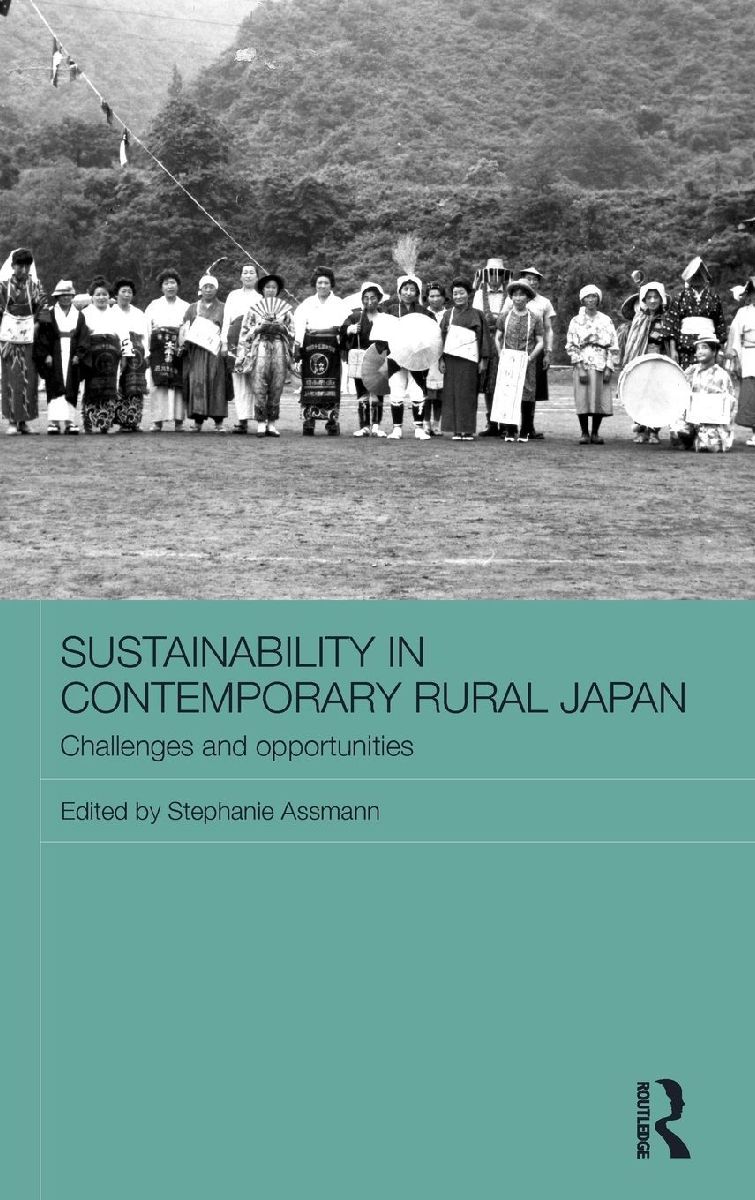

Rural communities in Japan have suffered from significant depopulation and economic decline in post-war years. Problems of declining birth rates, aging populations, agricultural decline and migration to cities have been compounded by the triple disaster of March 11, 2011, which destroyed communities, leaving thousands homeless. This book aims to identify these challenges and to explore the opportunities for bringing sustainable revitalization to Japan's rural areas. The book will be of interest not only to students of Japanese society and development, but also to those outside of Japan who are seeking new approaches for tackling de-depopulation challenges.
Rural communities in Japan have suffered from significant depopulation and economic downturn in post-war years. Low birth rates, aging populations, agricultural decline and youth migration to large cities have been compounded by the triple disaster of 11 March 2011, which destroyed farming and fishing communities and left thousands of people homeless. This book identifies these challenges and acknowledges that an era of post-growth has arrived in Japan. Through exploring new forms of regional employment, community empowerment, and reverse migration, the authors address potential opportunities and benefits that may help to create and ensure the quality of life in depopulating areas and post-disaster scenarios. This book will be of interest not only to students of Japanese society, but also to those outside of Japan who are seeking new approaches for tackling depopulation challenges.
Inhaltsverzeichnis
Es wurden noch keine Bewertungen abgegeben. Schreiben Sie die erste Bewertung zu "Sustainability in Contemporary Rural Japan" und helfen Sie damit anderen bei der Kaufentscheidung.








