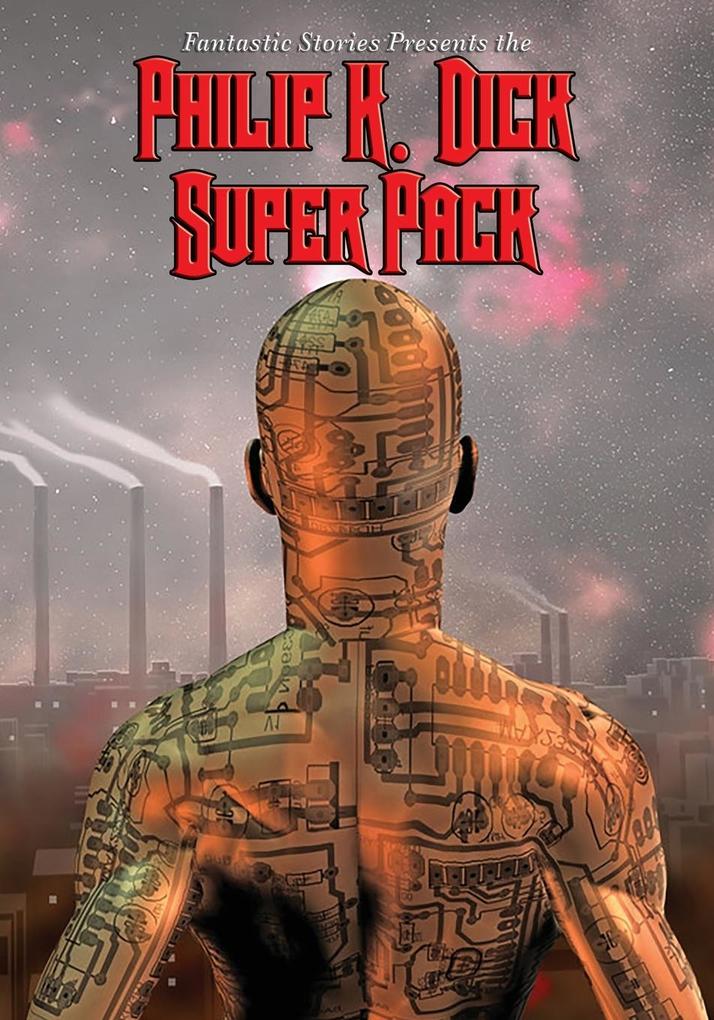
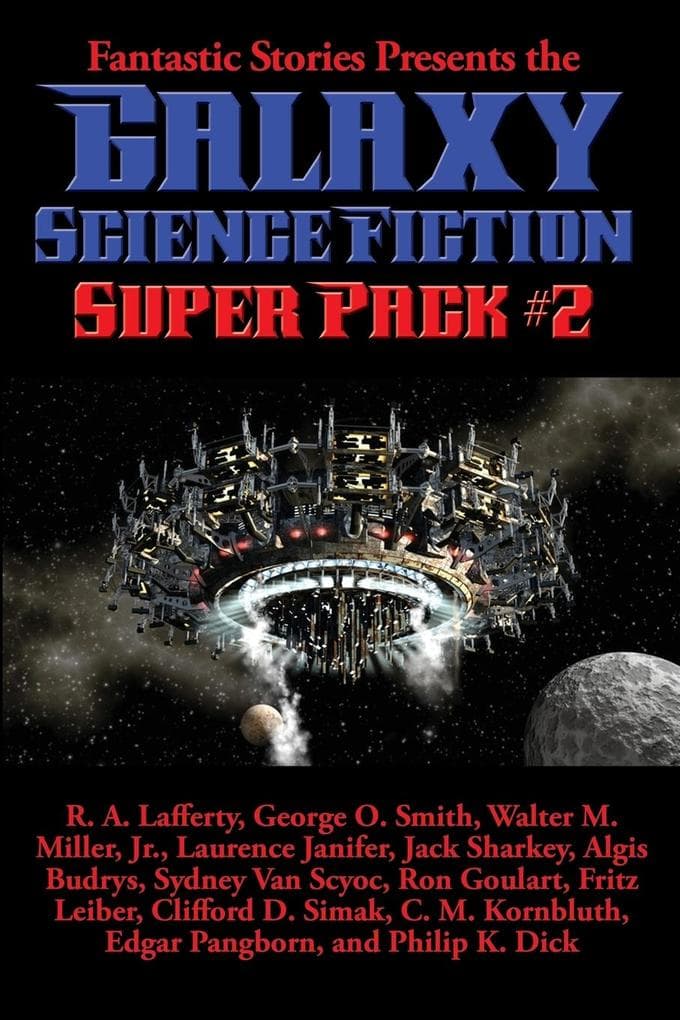
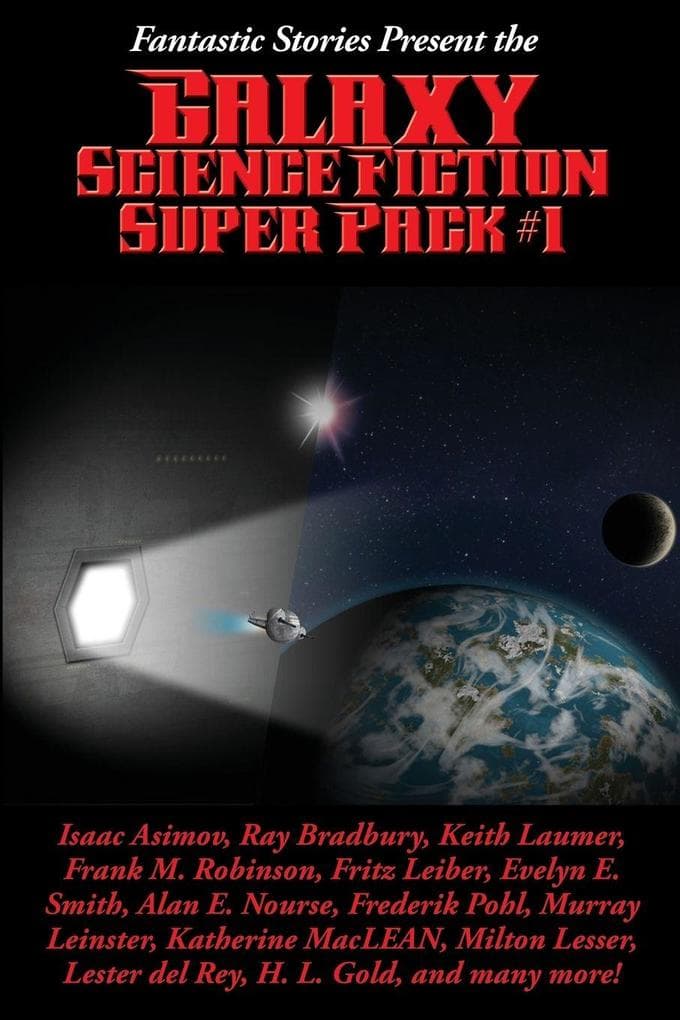
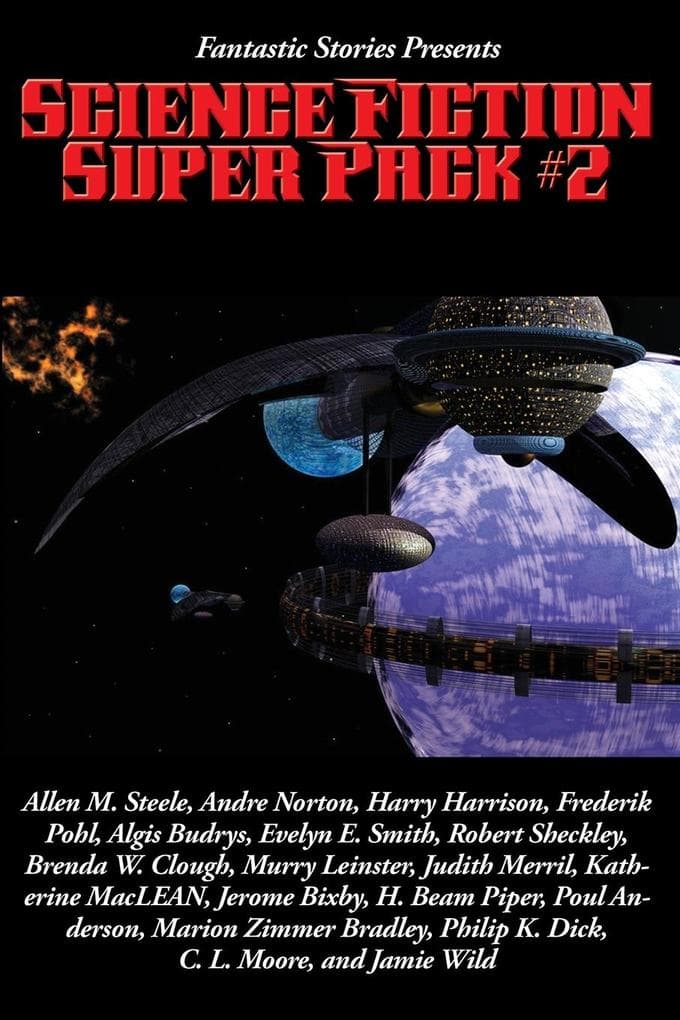
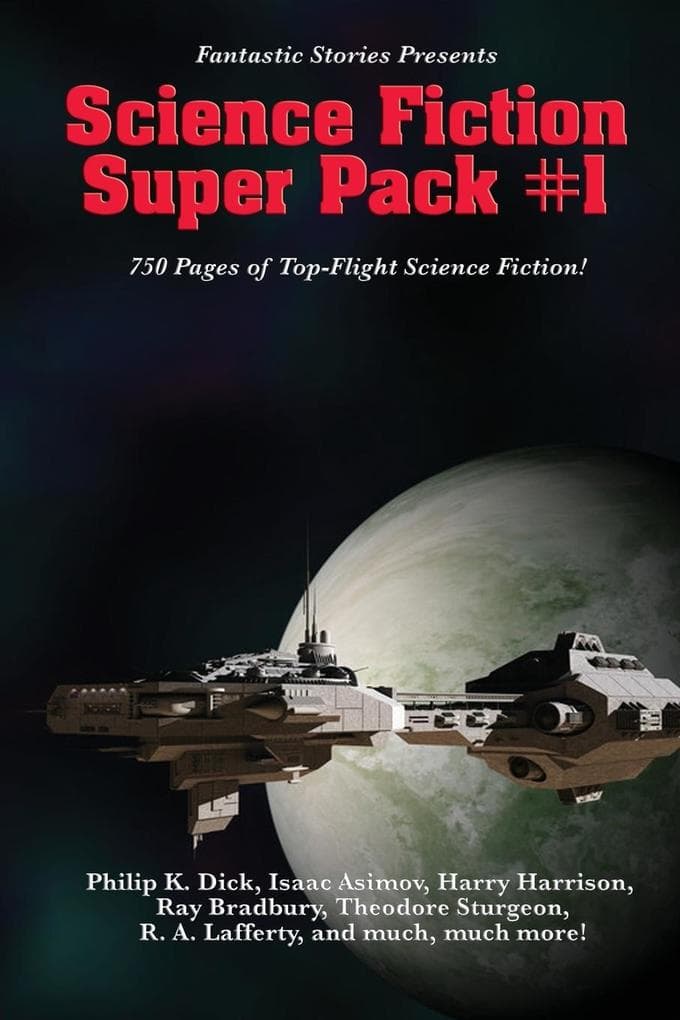
Philip K. Dick (1928-1982) was an American science fiction writer whose work became one of the defining bodies of speculative fiction in the twentieth century. He wrote novels and stories about unstable realities, false memories, authoritarian systems, addictive commodities, artificial life, religious experience, paranoia, and the fragile nature of personal identity. Although he worked largely within the magazine and paperback science fiction market of his lifetime, his reputation grew enormously after his death, especially as his fiction proved unusually adaptable to film and television.Dick's major works include Do Androids Dream of Electric Sheep?, The Man in the High Castle, Ubik, Flow My Tears, the Policeman Said, A Scanner Darkly, and numerous short stories from the classic science fiction magazine era. Screen adaptations inspired by his work include Blade Runner, Total Recall, Minority Report, The Adjustment Bureau, Paycheck, and A Scanner Darkly, but the original stories remain essential because they show the pressure and invention of his ideas in their first form. In stories such as "The Defenders," "The Variable Man," and "Second Variety," Dick brought together Cold War fear, machine intelligence, military systems, political deception, and metaphysical doubt, helping create the paranoid and reality-questioning strain of science fiction that later became central to modern speculative storytelling.