*APPROVED*
This is the first study to introduce the figure of contamination as an alternative to dialectics
This book enquires into the problem of various oppositions between pure entities such as nature
and society, body and mind, science and the arts, subjectivity and objectivity. It examines how
works of literature and cinema have contaminated constructions of the pure and the immune
with their purported opposite. As an advanced critical introduction to the figure of
contamination, the book makes explicit what so far has remained unarticulated - what has only
been implied - within postmodern, poststructuralist and deconstructive theory.
Combining theory with literary criticism, the book sheds light on how overlooked aspects of
the novels of Henry James, Herman Melville and H. G. Wells question notions of natural order
as well as an opposition between the subjective and the objective. It offers fresh readings of classic
films and literary texts, including Vertigo and Moby Dick, with the aim to ground theoretical
insights in close analysis.
Key Features
. Critically engages with some aspects of contemporary theory that keep propounding a
Cartesian notion of the mind's control over the body
. Analyses how key thinkers such as Spinoza, Benjamin, Pasolini and Freud attempt to
re-evaluate what Agamben calls 'bare life'
. Offers original readings of Pasolini's notion of scandalo in terms of contamination
. Alerts us to the ways in which some aspects of contemporary posthumanism may merely
reproduce the dialects of inclusion and exclusion which is still premised on traditional
notions of purity and immunity
Michael Mack is Reader in English Studies at Durham University. His recent publications
include How Literature Changes the Way We Think (2012).
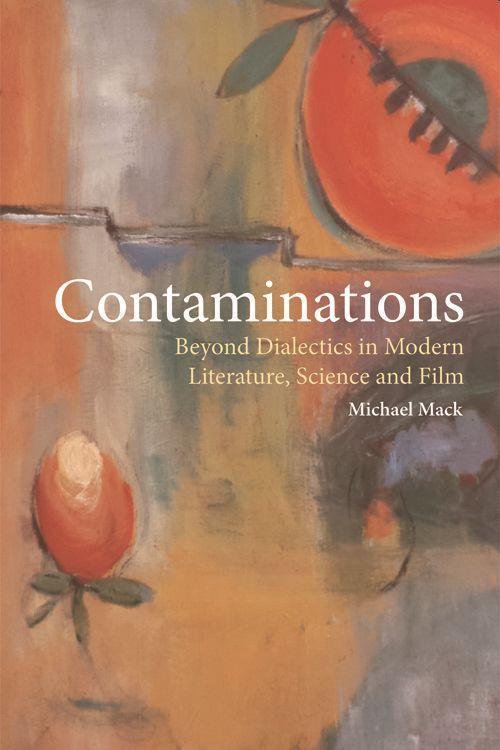
Cover image: Contamination, Elisabeth Mack-Usselmann, photographed by Richard Stopford
ISBN 978-1-4744-1136-3
Barcode
Inhaltsverzeichnis
Introduction: Climate Change and the Contamination of the Anthropocene; 1. Contaminating Psychology with Biology: Descartes, Spinoza, Freud, and Zizek; 2. Contaminating the Visible with the Invisible: from Einstein via H. G. Wells to Hannah Arendt, Luhmann and Derrida; 3. Contamination of Nature with Society: the collapse of natural order from Melville to Wells and Ellison; 4. Contaminating Judgement with its Suspension: Guilt and Punishment in Walter Benjamin, Herman Melville & Henry James; 5. Contaminating the Digital: Action & Perception in Henry James and Alfred Hitchcock; 6. Contaminating the Sacred with the Profane: Pier Paolo Pasolini and Bio-politics; 7. Contaminating Posthumanism.