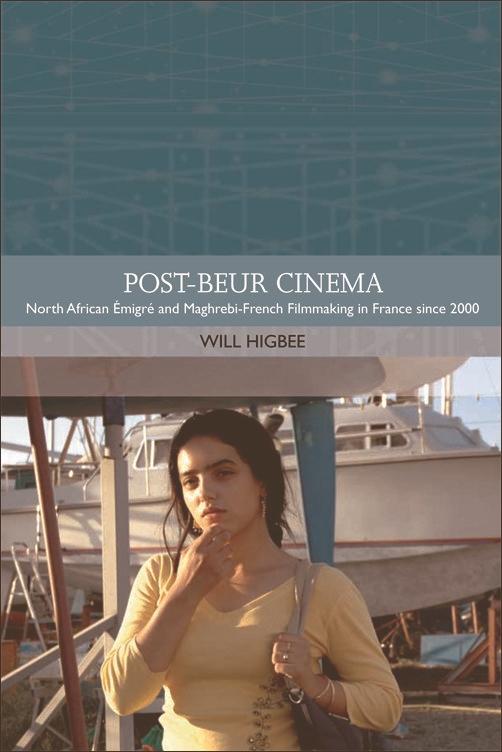
Since the early 1980s and the arrival of Beur cinema filmmakers of Maghrebi origin have made a key contribution French cinema''s representation of issues such as immigration, integration and national identity. However, they have done so mostly from a position on the margins of the industry. In contrast, since the early 2000s, Maghrebi-French and North African émigré filmmakers have occupied an increasingly prominent position on both sides of the camera, announcing their presence on French screens in a wider range of genres and styles than ever before. This greater visibility and move to the mainstream has not, however, automatically meant that these films have lost any of the social or political relevance. Indeed in the 2000s many of these films have increasingly questioned the boundaries between national, transnational and diasporic cinema, whilst simultaneously demanding, either implicitly or explicitly, a reconsideration of the very difference that has traditionally been seen as a barrier to the successful integration of North African immigrants and their descendants into French society.
Through a detailed study of this transformative decade for Maghrebi-French and North African émigré filmmaking in France, this book argues for the emergence of a ''Post-Beur'' cinema in the 2000s that is simultaneously global and local in its outlook.
Its key features include:
An absorbing introduction to this recent cinematic tradition, Post-Beur Cinema is essential reading for students and scholars in Film Studies, French Studies and Diaspora Studies.
Es wurden noch keine Bewertungen abgegeben. Schreiben Sie die erste Bewertung zu "Post-beur Cinema" und helfen Sie damit anderen bei der Kaufentscheidung.








