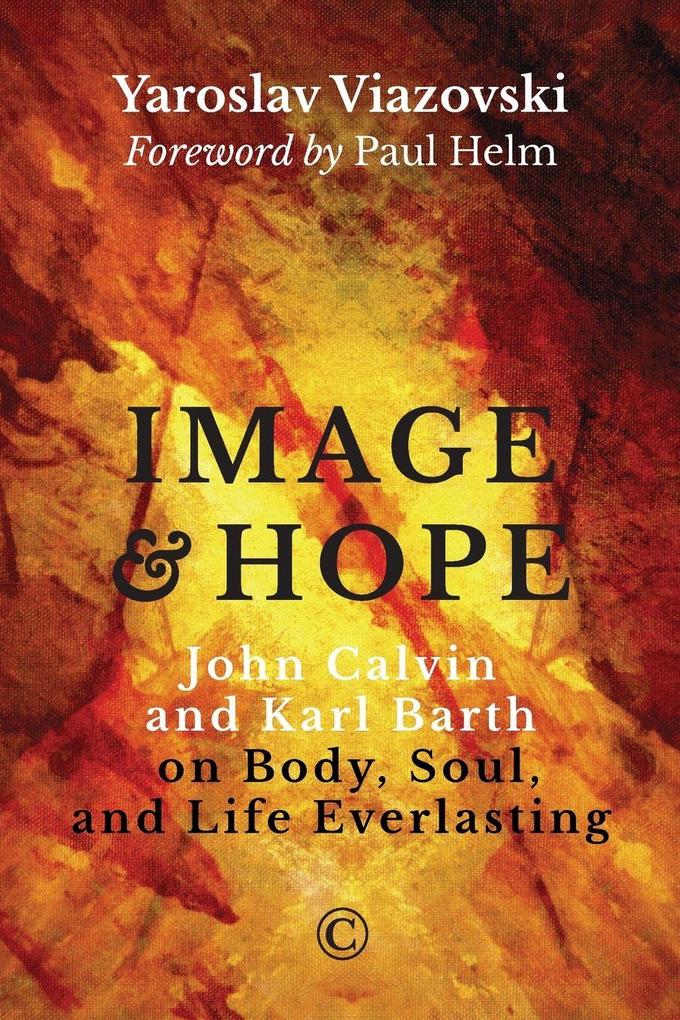
An study of the understanding of the soul in Christian theology, comparing the body-soul dualism in Calvin's writings with Barth's more holistic understanding.
Developments in biblical studies, neurosciences, and Christian philosophy of mind force theologians to reconsider the traditional concept of the immortal soul. At the same time, the concept itself tends to create axiological dualism between the body and the soul that in turn may lead to insufficient appreciation of the physical life in this world. A more holistic approach to the ontology of human beings is required. The aim of this study is to analyse the function of the concept of the soul in the dualistic anthropology of John Calvin and to compare it to the holistic anthropology of Karl Barth in order to answer the question of whether the transition from one to the other is possible without the loss of the functions fulfilled by the soul.
Inhaltsverzeichnis
Foreword
Acknowledgments
Abbreviations
Introduction: Wholeness and Hope
Part I: Ontological Anthropology of John Calvin
1 The Image of God
2 The Knowledge of God
3 Immortality and the Intermediate State
4 The Resurrection and the Ultimate Hope
Part II: Transition from Calvin to Barth
5 The New Epistemology and New Ontology of Karl Barth
Part III: Ontological Anthropology of Karl Barth
6 A New Anthropological Method
7 The Relational Image of God
8 Man as Soul and Body
9 Time, Death, and Hope
Part IV: Comparison of Ontological Anthropologies of John Calvin and Karl Barth
10 Towards Wholeness and Hope
Bibliography