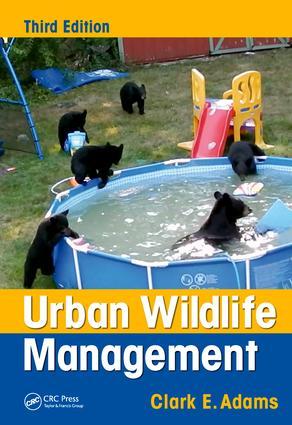
This new edition provides an updated and expanded analysis of the issues that increase the need for urban wildlife management, exploring the changing dynamics of the field while giving historical perspectives and looking at current trends and future directions. It focuses on ecological matters as well as political, economic, and societal issues that must be addressed for successful management planning. It also features an entirely new section on urban wildlife species, covering urban communities, herpetofauna, birds, ungulates, mammals, carnivores, and feral and introduced species.
Inhaltsverzeichnis
Introduction: A New Wildlife Management Paradigm. HUMAN-WILDLIFE INTERFACE. Wildlife Management: Past and Present. Principal Components of Urban Wildlife Management. URBAN ECOSYSTEMS. Ecological Principles in an Urban Context. Urban Soils. Urban Aquatic Systems. Population Dynamics. URBAN HABITATS AND HAZARDS. Urban Green Spaces. Urban Gray Spaces. URBAN WILDLIFE SPECIES. Urban Herpetofauna (Amphibians and Reptiles). Urban Birds. Urban Mammals. Urban Threatened, Endangered, and Extirpated Species. Urban Introduced and Invasive Species. Resident Canada Geese and Urban White-Tailed Deer. URBAN SOCIOPOLITICAL LANDSCAPE. Human Dimensions of Urban Wildlife Management. Legal Aspects of Urban Wildlife Management. Zoonoses and Management Considerations. Appendix: Lists of Terrestrial Amphibians, Reptiles, Birds, and Mammals by State Those Observed in Urbanized Communities in the United States.