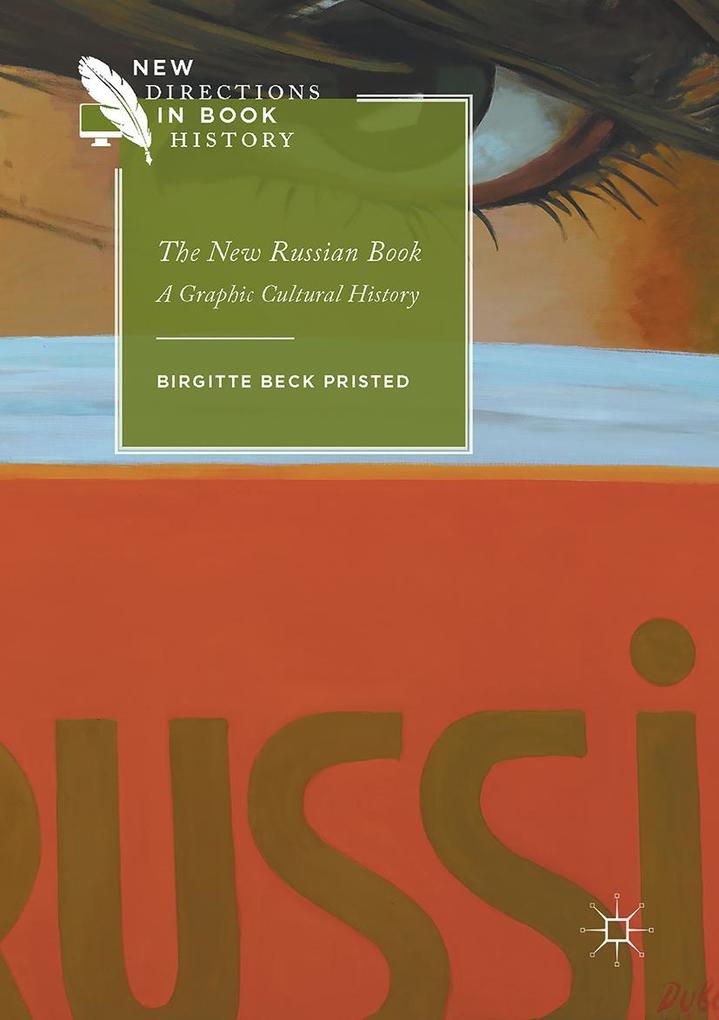
This book takes up the obtrusive problem of visual representation of fiction in contemporary Russian book design. By analyzing a broad variety of book covers, the study offers an absolutely unique material that illustrates a radically changing notion of literature in the transformation of Soviet print culture to a post-Soviet book market. It delivers a profound and critical exploration of Russian visual imaginary of classic, popular, and contemporary prose. Among all the carelessly bungled covers of mass-published post-Soviet series the study identifies gems from experimental designers. By taking a comparative approach to the clash of two formerly separate book cultures, the Western and the Soviet, that results both in a mixture of highbrow and lowbrow forms and in ideological re-interpretations of the literary works, this book contributes to opening an East-West dialogue between the fields of Russian studies, contemporary book and media history, art, design, and visual studies. di
Inhaltsverzeichnis
Acknowledgements. - Introduction. - 1. Research Design. - PART I: Russian Book Design from the Soviet Period to Present. - 2. The Soviet Hardback Revolution. - 3. Perestroika and Post-Soviet Re-Design. - 4. Russian Book Design Today. - PART II: Changing Values in Visual Representation of Literature. - 5. The Classic Returns: Anton Chekhov s
Dama s sobachkoi
. - 6. The Western World in a Russian Pocket? James Hadley Chase s
Ves mir v karmane. -
7. The Kaleidoscopic Images of Viktor Pelevin s
Generation P . -
PART III: Three Generations of Russian Book Designers. - 8. Book Artist or Designer? . - 9. Arkadii Troianker: Nonconformist Book Experiments in Changing Media. - 10. Andrei Bondarenko: From the Bright Underground to Dark Clouds. - 11. Outlook on the Next Generation: Aleksandr Utkin s New Printed Classics. - Conclusion. - Notes. - Bibliography.