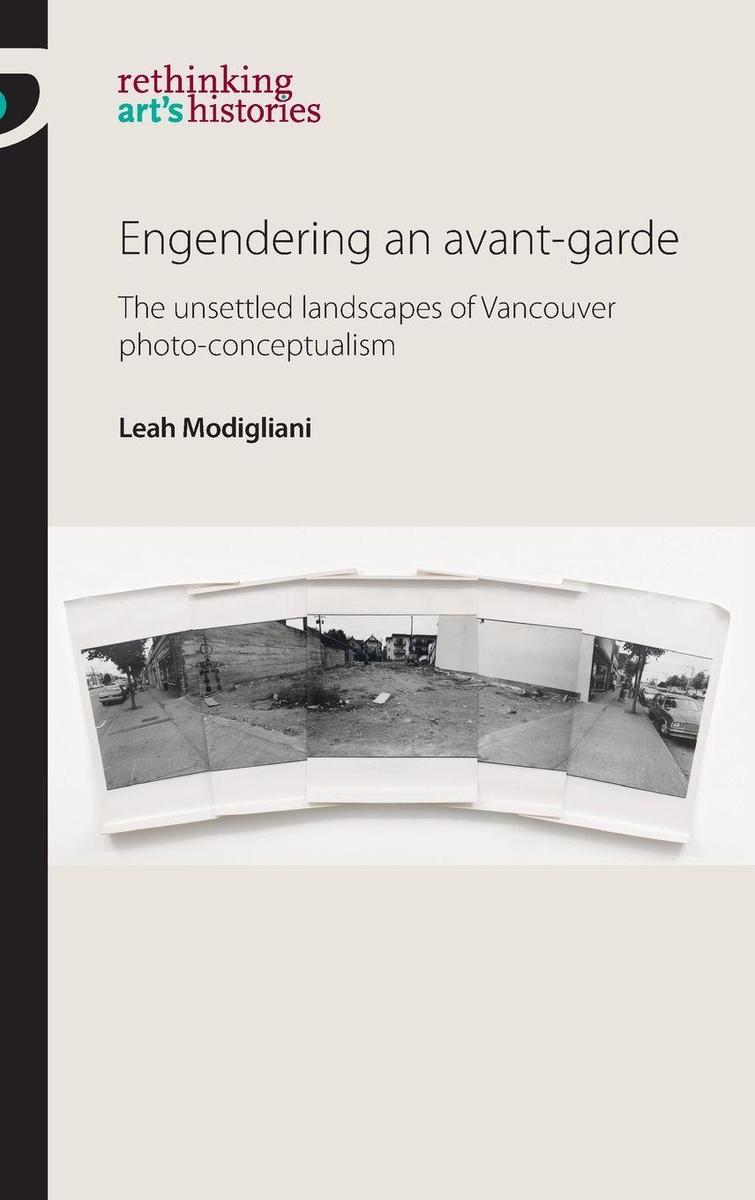
Engendering an avant-garde is the first book to comprehensively examine the origins of Vancouver photo-conceptualism in its regional context between 1968 and 1990. Employing discourse analysis of texts written by and about artists, feminist critique and settler-colonial theory, the book discusses the historical transition from artists' creation of 'defeatured landscapes' between 1968-71 to their cinematographic photographs of the late 1970s and the backlash against such work by other artists in the late 1980s. It is the first study to provide a structural account for why the group remains all-male. It accomplishes this by demonstrating that the importation of a European discourse of avant-garde activity, which assumed masculine social privilege and public activity, effectively excluded women artists from membership.
Inhaltsverzeichnis
Introduction
1 Jeff Wall's Picture for Women (1979) and The Destroyed Room (1978): colonizing the space of gendered discourse
2 Emily Carr and the legacy of Commonwealth modernism
3 Myth and the 'home culture concept'
4 Establishing the theory and practice of a defeatured landscape
5 1970s and the gendered spaces of the counter tradition
6 Feminist theoretical and visual challenges to modernist representation
Conclusion
Index