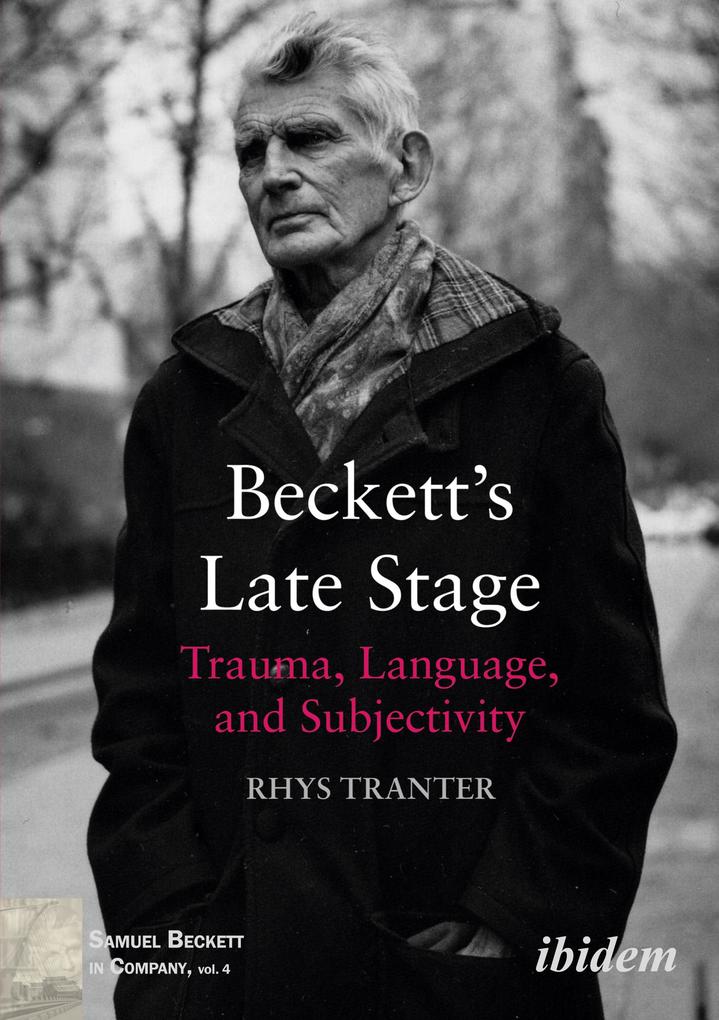
We had always suspected that Beckett s destitute characters, his black humour, his bleak one-liners, his cynical minimalism had to do with some form of trauma linked with war-time experiences, but no-one had attempted to read the whole post-war production as a deployment of a phenomenology of trauma. Rhys Tranter is the first to use the whole gamut of protocols developed by trauma studies and bring them to bear on Beckett s canon from the forties to the eighties. The result is a highly rewarding book full of new insights, superb close readings, and poignant meditations on a time of wounds, yet open to a different future. Prof. Jean-Michel Rabaté, University of Pennsylvania
The book s strength lies [ ] in its close reading of Beckett s first novels and the early French stories, as well as the radio play All That Fall and the play Footfalls. Particularly welcome is the attention to pedestrianism in Beckett, who characterized existence as just a series of movements. On whence / no sense / but on / to whence / no sense, one of his late Mirlitonnades declares, its rondo rhythm evoking a determined pedestrial circularity. The European Legacy, 25:1