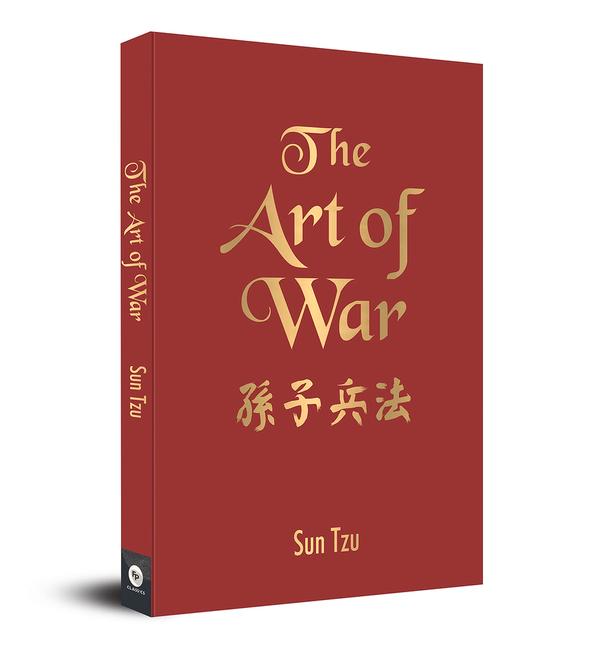
The Art of War by Sun Tzu - Pocket Classic is one of the most influential works on strategy, leadership, conflict, and decision-making ever written. Composed in ancient China, this enduring classic presents concise principles on preparation, discipline, timing, adaptability, and understanding both oneself and one's opponent. <p/>Through a series of focused observations, Sun Tzu explains how careful planning, knowledge, flexibility, and intelligent use of resources can shape the outcome of conflict. Rather than relying solely on force, the book emphasizes strategic thinking, positioning, deception, foresight, and the importance of choosing battles wisely. <p/>Although originally written in the context of warfare, the ideas in The Art of War have been studied in broader discussions of leadership, business strategy, negotiation, competition, management, and personal decision-making. Its reflections on human behavior, strengths, weaknesses, and changing circumstances continue to make it relevant to readers interested in strategy and philosophy. <p/>Presented as a convenient Pocket Classic edition, this timeless work is ideal for readers seeking an accessible introduction to military philosophy and strategic thinking. Suitable for students, professionals, leaders, entrepreneurs, history enthusiasts, and philosophy readers, it makes a thoughtful addition to any collection of classic strategy books. <p/>Why should readers pick this book?
- A Timeless Strategy Classic: Explore Sun Tzu's enduring principles on strategy, leadership, preparation, discipline, and intelligent decision-making.
- Lessons Beyond the Battlefield: Discover ideas frequently studied in relation to business strategy, leadership, negotiation, competition, and problem-solving.
- Compact Pocket Classic Edition: A convenient choice for students, professionals, entrepreneurs, leaders, philosophy readers, and classic book collectors.
Key Themes
- Strategy & Preparation: Understand the importance of planning, information, timing, positioning, and anticipating changing circumstances.
- Leadership & Discipline: Explore principles of organization, responsibility, adaptability, communication, and effective command.
- Conflict, Intelligence & Decision-Making: Examine how foresight, knowledge, flexibility, and understanding human behavior can influence outcomes in challenging situations.