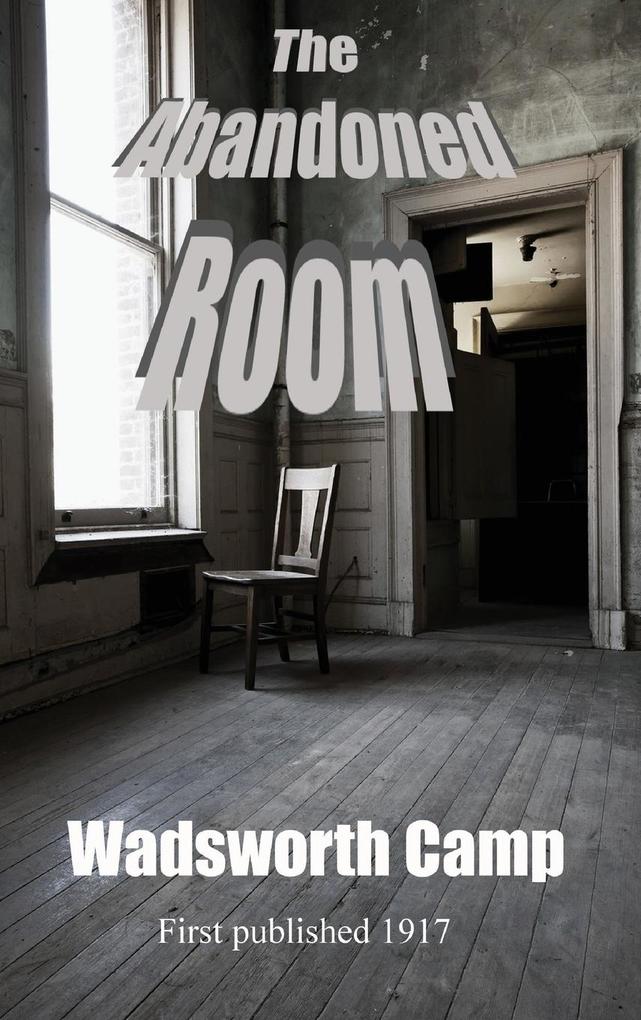
A mystery novel of inheritance, secrecy, and concealed crime, set within the atmosphere of an isolated country estate.
The Abandoned Room centres on a disputed inheritance and the suspicious death of a wealthy patriarch, drawing a group of interested parties to a remote house where past events continue to exert influence over the present. As tensions rise among the assembled heirs and associates, the narrative unfolds through investigation, revelation, and the gradual uncovering of concealed relationships and motives.
Wadsworth Camp constructs the novel within the conventions of early twentieth-century mystery fiction, combining elements of the country house setting with a developing interest in psychological motive and concealed identity. The structure is measured, with attention given to the accumulation of detail and the interplay between suspicion and evidence, rather than reliance on rapid incident. The result is a work that reflects the transitional period between late nineteenth-century sensation fiction and the more formalised detective narratives of the interwar years.
First published in 1907, The Abandoned Room remains of interest as an early example of American mystery fiction, particularly for readers tracing the development of genre conventions and the emergence of the detective narrative in its modern form.