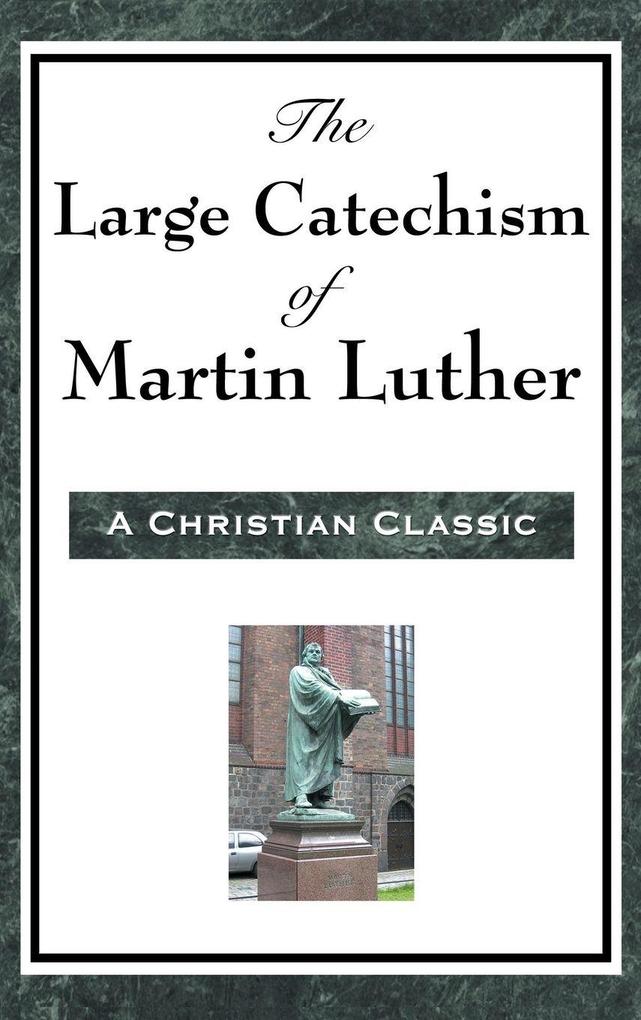
Martin Luther's Large Catechism presents a clear and comprehensive explanation of the central teachings of the Christian faith as understood within the Lutheran Reformation.
Written in 1529 for the instruction of pastors and heads of households, The Large Catechism expands upon the basic elements of Christian doctrine by offering detailed guidance on the Ten Commandments, the Apostles' Creed, the Lord's Prayer, and the sacraments of Baptism and the Lord's Supper. Luther intended the work to serve as a practical teaching tool that would help both clergy and laypeople understand the foundations of Christian belief.
Addressing the challenges faced by the early Protestant churches, Luther emphasizes the importance of clear instruction in Scripture and the responsibilities of parents and teachers in the spiritual formation of the next generation. His explanations combine theological insight with pastoral concern, presenting doctrine in a direct and accessible manner intended for instruction within both church and household.
The Large Catechism, together with Luther's Small Catechism, became one of the defining confessional texts of the Lutheran tradition and was later included in the Book of Concord of 1580. For nearly five centuries it has remained an essential work for the study of Reformation theology and the teaching of Christian doctrine.