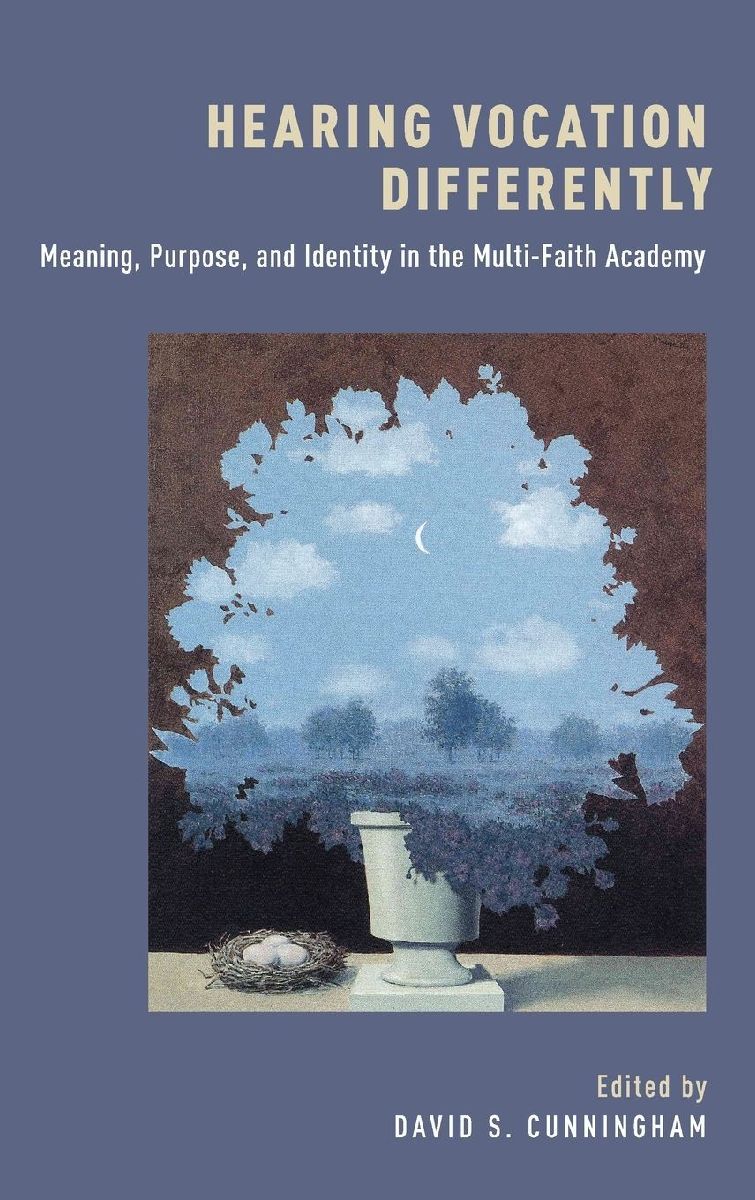
Many colleges and universities have begun using the language of vocation and calling to help undergraduates think about the future direction of their lives. This language is used in both secular and religious contexts, but it has deep roots in the Christian theological tradition. Given the
increasingly multi-faith context of undergraduate life, many have asked whether this terminology can truly serve as a new vocabulary for higher education. If vocation is to find a foothold in the contemporary context, it will need to be re-examined, re-thought, and re-written; in short, higher
education will need to undertake the project of hearing vocation differently. In this third volume on vocation from editor David S. Cunningham, the thirteen contributing scholars identify with a wide variety of religious traditions, including Buddhism, Christianity, Hinduism, Islam, Judaism, and Sikhism. Some contributors identify with more than one of these; others would
claim none of them. The authors met on multiple occasions to read common texts, to discuss agreements and differences, and to respond to one another's writing; some of these responses are included at the end of each chapter. Both individually and collectively, these contributors expand the range of vocational reflection and discernment well beyond its traditional Christian origins. The authors observe that all undergraduate students--regardless of their academic field, religious background, or demographic identity-need
to make space for reflection, to overcome obstacles to discernment, and to consider the significance of their own narratives, beliefs, and practices. This, in turn, will require college campuses to re-imagine their curricular and co-curricular programming in order to support their students's
reflection on issues of meaning, purpose, and identity.
Inhaltsverzeichnis
- Foreword
- Richard H. Ekman, President, Council of Independent Colleges
- Preface
- Vocations of the Contributors
- Introduction
- Hearing and Being Heard: Rethinking Vocation in the Multi-Faith Academy
- David S. Cunningham
- Part One: Reframing Vocation: Creating Spaces for New Ways of Hearing
- Chapter 1
- The Change a Difference Makes: Formation of Self in the Encounter with Diversity
- Rachel S. Mikva
- Chapter 2
- Reviving Sheila: Listening to the Call of Multiple Religious Belonging
- Katherine (Trina) Janiec Jones
- Chapter 3
- The Call of Death and the Depth of Our Callings: The Quality of Vocational Discernment
- Rahuldeep Gill
- Part Two: Releasing Expectations: Overcoming Misleading Assumptions about Vocation
- Chapter 4
- Doubt as an Integral Part of Calling: The Qur'anic Story of Joseph
- Younus Y. Mirza
- Chapter 5
- Gracious Reception: The Christian Case for Hearing Vocation Differently
- David S. Cunningham
- Chapter 6
- Renunciation of Vocation and Renunciation within Vocation: Contributions from the Bhagavadgita
- Anantanand Rambachan
- Part Three: Restor(y)ing our Lives: Narrative as a Vocational Catalyst
- Chapter 7
- Called by Our Conflicting Allegiances: Vocation as an Interfaith Endeavor / Interfaith Cooperation as a Vocation
- Noah J. Silverman
- Chapter 8
- The Story of Me: A Myth-understanding of Vocation
- Matthew R. Sayers
- Chapter 9
- Attentiveness and Humor: Vocation as Awakening to Self
- Homayra Ziad
- Part Four: Re-imagining our Campuses: The Practice(s) of Hearing Vocation Differently
- Chapter 10
- Response-ability in Practice: Discerning Vocation through Campus Relationships
- Florence D. Amamoto
- Chapter11
- The Vocation of Church-Related Colleges in a Multi-Faith World: Educating for Religious Pluralism
- Jacqueline A. Bussie
- Chapter 12
- Vocational Exploration as Transformative Pedagogy: Retrieving the Affective, Educating for Difference
- Tracy Wenger Sadd
- Chapter 13
- Do You Love Us? Higher Education as an Interfaith Conversation about the Good Life
- Jeffrey Carlson
- Epilogue
- Hearing in a New Key: Vocation beyond the Limits of Reason Alone
- David S. Cunningham
- Index of Names
- Index of Subjects