







Das eBook.de Hörbuch Abo - jederzeit, überall, für nur 7,95 € monatlich!
Jetzt entdecken
mehr erfahren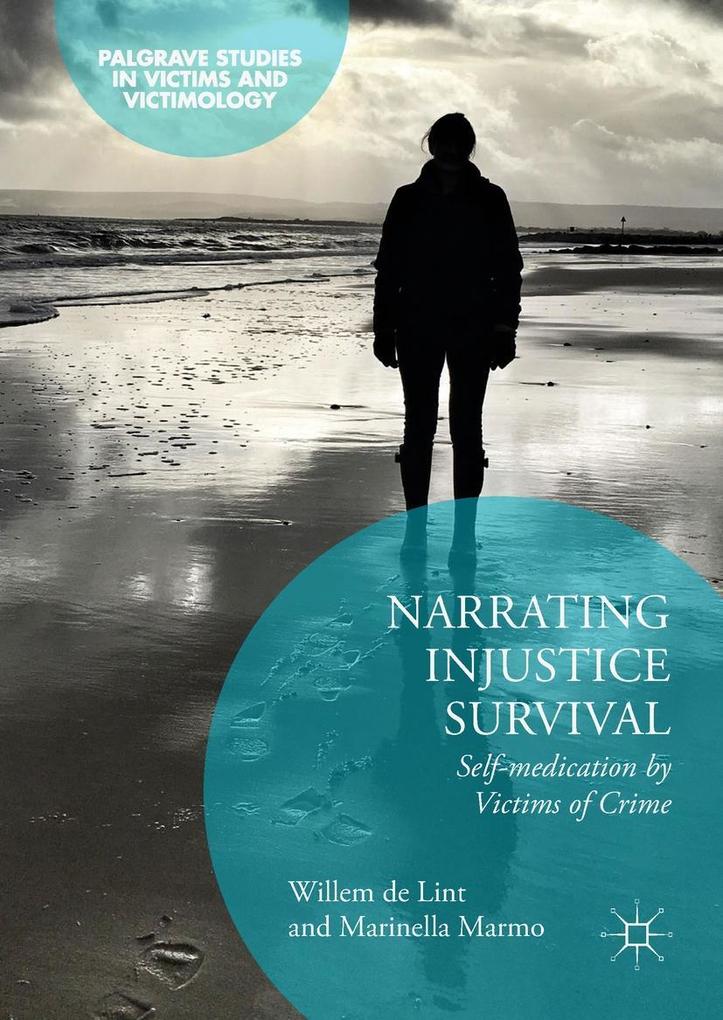
This book explores the role of self-medication in reflexive response to victimhood and victim recovery. Based on interviews, counsellor focus groups and a self-medication survey, it situates self-medication among the coping strategies that may be set in formal and informal networks. Victims primarily seek validation, and this book reviews self-medication with particular focus on how victim-survivors develop a variety of reflexive responses in their attempt to carve out a dignified response to victimization. Validation may be achieved through the pursuit of justice, but many victims suffer from multiple or complex victimisation, with limited social chances necessary to achieve a just outcome. Routines, beliefs and an ordered pathway distinguish a dignified identity and more or less successful recovery adaptations. This book also addresses the practical implications of the findings for support organisations.
Inhaltsverzeichnis
Chapter 1. Victims of Crimes, Self-medication and Narratives of (In)justice. - Chapter 2. Methods, collaboration with VSS and victim reflexivity. - Chapter 3. Self-medication and avoidance coping. - Chapter 4. Validation informal and formal support in narratives of recovery. - Chapter 5. Adaptations in recovery. - Chapter 6. Meaning work and chance. - Chapter 7. Validation, Chance and Justice.
Es wurden noch keine Bewertungen abgegeben. Schreiben Sie die erste Bewertung zu "Narrating Injustice Survival" und helfen Sie damit anderen bei der Kaufentscheidung.