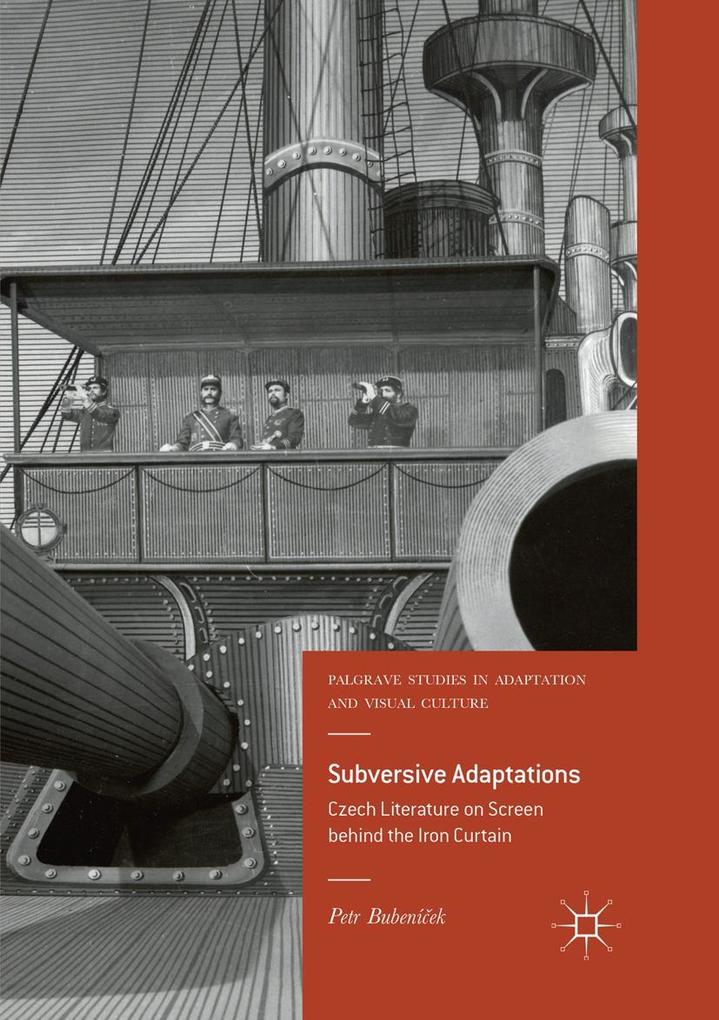
Bubení ek s study is a remarkable historian s project, as his introduction focuses on offering a nuanced overview of social thought between 1948 and 1969. Bubení ek s entire volume is, indeed, structured this way. Its great merit lies in the broad, well-documented historical overview it proposes, combined with the masterly interpretation of both literary and cinematic techniques. (
Maria Chiorean,
Metacritic Journal for Comparative Studies and Theory, Vol. 5 (1), July, 2019)
Throughout this tour of post-war Czech cinema, Bubení ek is an urbane, perceptive, and exceptionally well-informed guide. He is a rewardingly subtle analyst of his country s political history, its literary and cinematic landmarks, and especially the visual and auditory texture of the films in which he takes such contagious delight. Bubení ek s expositions are as illuminating as they are thorough . (Thomas Leitch, Adaptation, Vol. 11 (03), 2018)