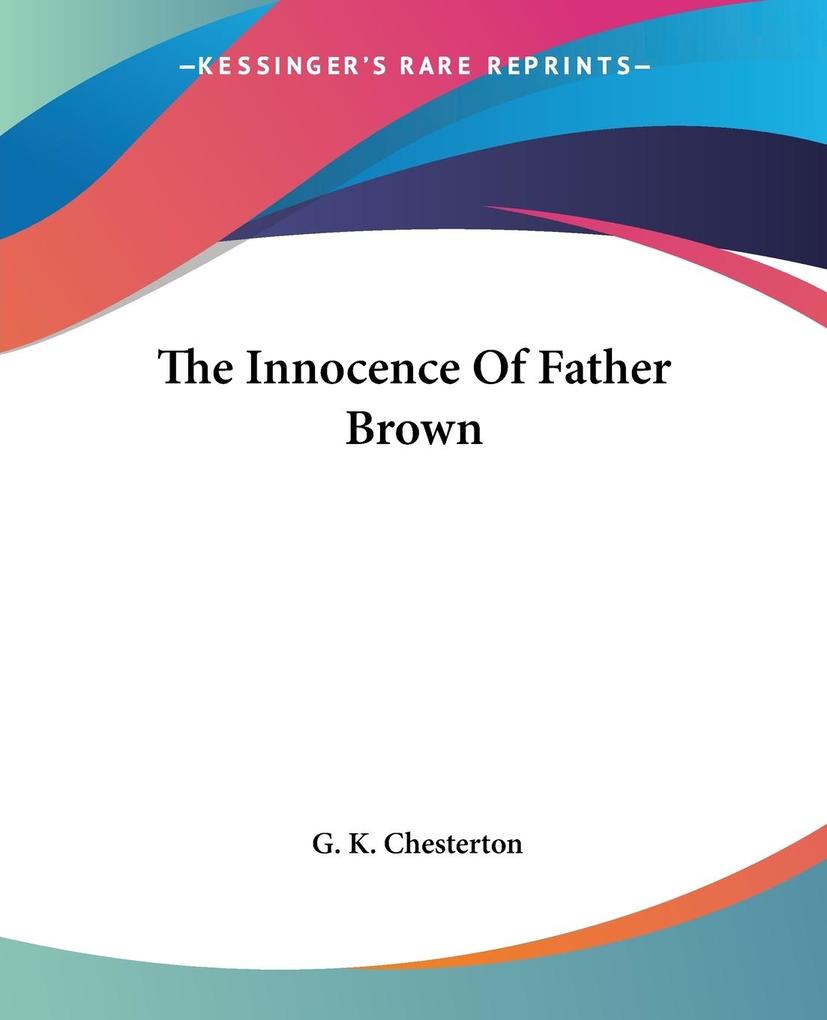
G. K. Chesterton (1874-1936) was an English writer, critic, and public intellectual whose work spanned journalism, literary criticism, theology, and fiction. A central figure in early twentieth-century letters, Chesterton is widely recognized for his distinctive prose style-combining paradox, humor, and philosophical depth-and for his influential contributions to Christian apologetics and cultural commentary. His writings engage with questions of faith, reason, morality, and modernity, often challenging prevailing intellectual trends through imaginative argument and clear logical structure.Among his most enduring works are Orthodoxy, The Everlasting Man, and the Father Brown detective stories. Chesterton's thought has had a lasting impact on both religious and literary discourse, influencing writers such as C. S. Lewis and continuing to attract scholarly and general readership for its clarity, originality, and enduring relevance.