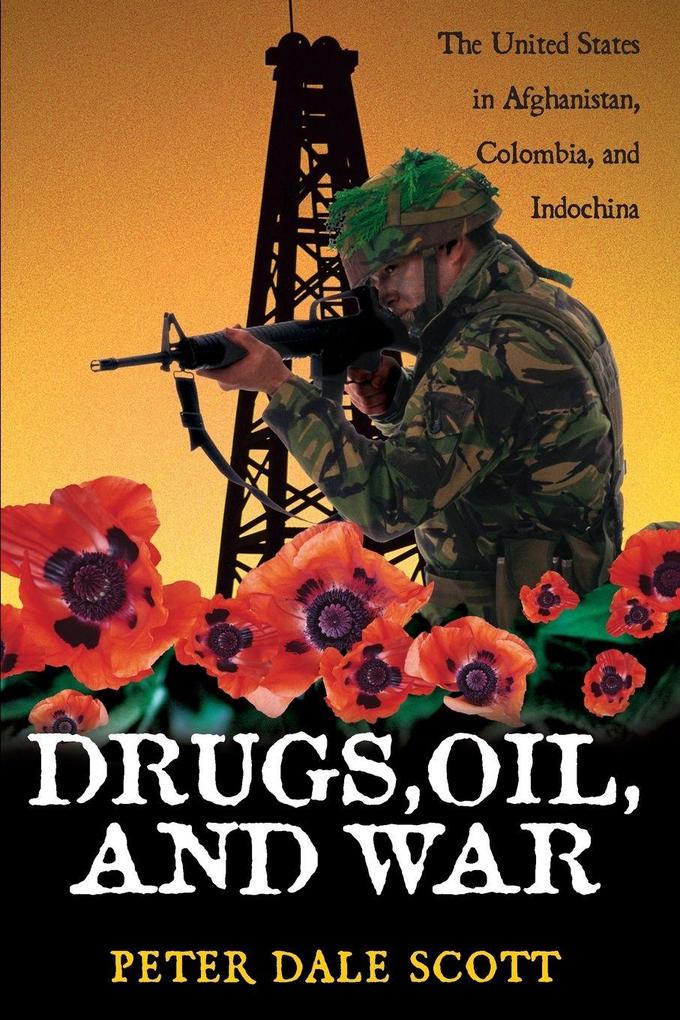
Peter Dale Scott's brilliantly researched tour de force illuminates the underlying forces that drive U. S. global policy from Vietnam to Colombia and now to Afghanistan and Iraq. He brings to light the intertwined patterns of drugs, oil politics, and intelligence networks that have been so central to the larger workings of U. S. intervention and escalation in Third World countries through alliances with drug-trafficking proxies. The result has been a staggering increase in global drug traffic. Thus, the author argues, the exercise of power by covert means, or parapolitics, often metastasizes into deep politics_the interplay of unacknowledged forces that spin out of the control of the original policy initiators. Scott contends that we must recognize that U. S. influence is grounded not just in military and economic superiority but also in so-called soft power. We need a 'soft politics' of persuasion and nonviolence, especially as America is embroiled in yet another disastrous intervention, this time in Iraq.
Inhaltsverzeichnis
Chapter 1 Preface
Chapter 2 Introduction: The Deep Politics of U.S. Interventions
Part 3 Part I: Afghanistan, Heroin, and Oil (2002)
Chapter 4 Chapter 1: Drugs and Oil in U.S. Asian Wars: From Indochina to Afghanistan
Chapter 5 Chapter 2: Indochina, Colombia, and Afghanistan: Emerging Patterns
Chapter 6 Chapter 3: The Origins of the Drug Proxy Strategy: The KMT, Burma, and U.S. Organized Crime
Part 7 Part II: Colombia, Cocaine, and Oil (2001)
Chapter 8 Chapter 4: The United States and Oil in Colombia
Chapter 9 Chapter 5: The CIA and Drug Traffickers in Colombia
Chapter 10 Chapter 6: The Need to Disengage from Colombia
Part 11 Part III: Indochina, Opium, and Oil (From The War Conspiracy, 1972)
Chapter 12 Chapter 7: Overview: Public, Private, and Covert Political Power
Chapter 13 Chapter 8: CAT/Air America, 1950-1970
Chapter 14 Chapter 9: Laos, 1959-1970
Chapter 15 Chapter 10: Cambodia and Oil, 1970
Chapter 16 Chapter 11: Opium, the China Lobby, and the CIA